The Complejo Bulevar, a cooperative housing complex in Montevideo, Uruguay, has been a beacon of resilience for 50 years. Home to 332 families, it is open to the surrounding neighborhood and has stood as a sanctuary for collective living since its creation right before a time of political repression. Defying isolation and fear, the co-op has become a vibrant space of belonging, solidarity, and creativity, countering the loneliness of modern life.
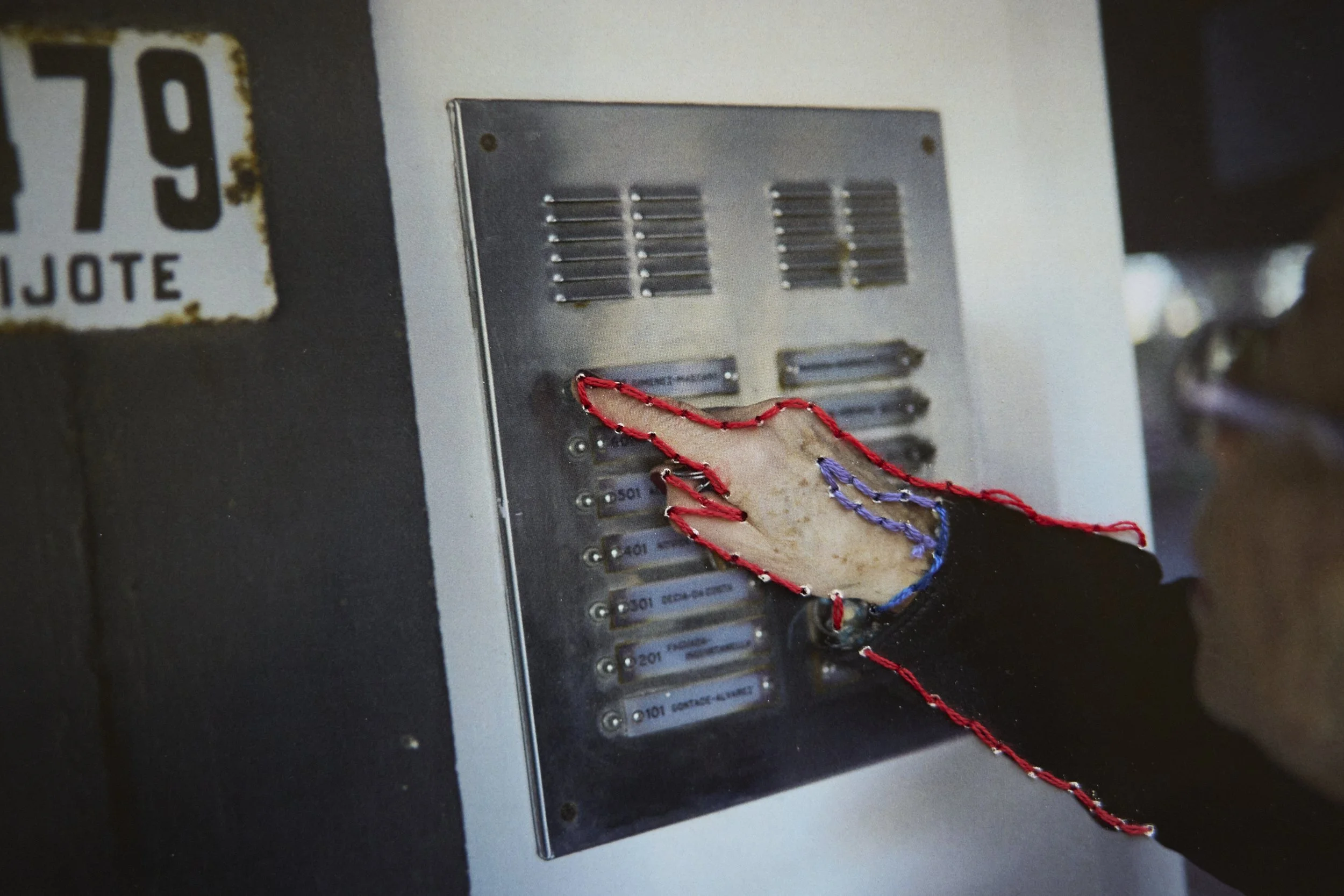
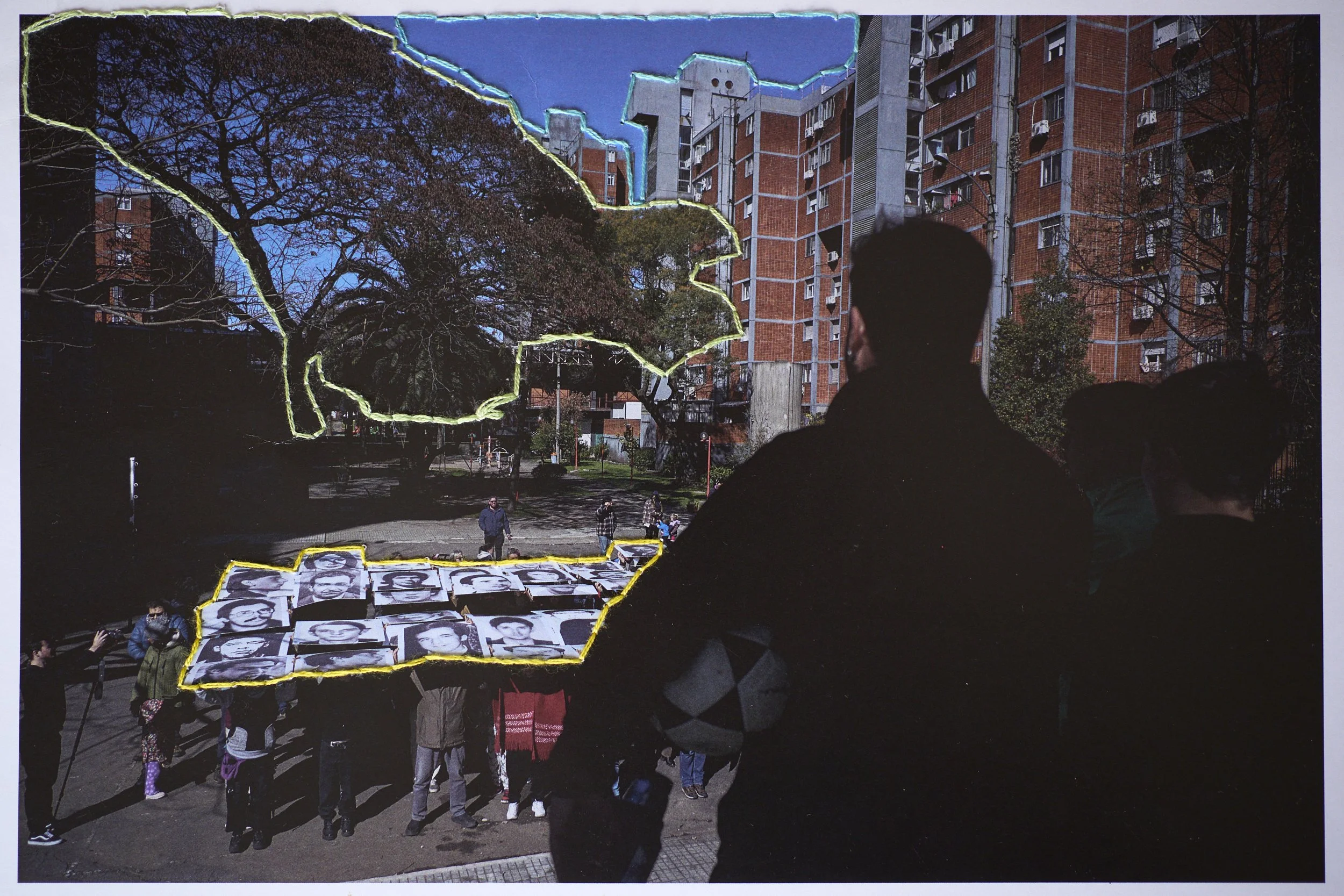
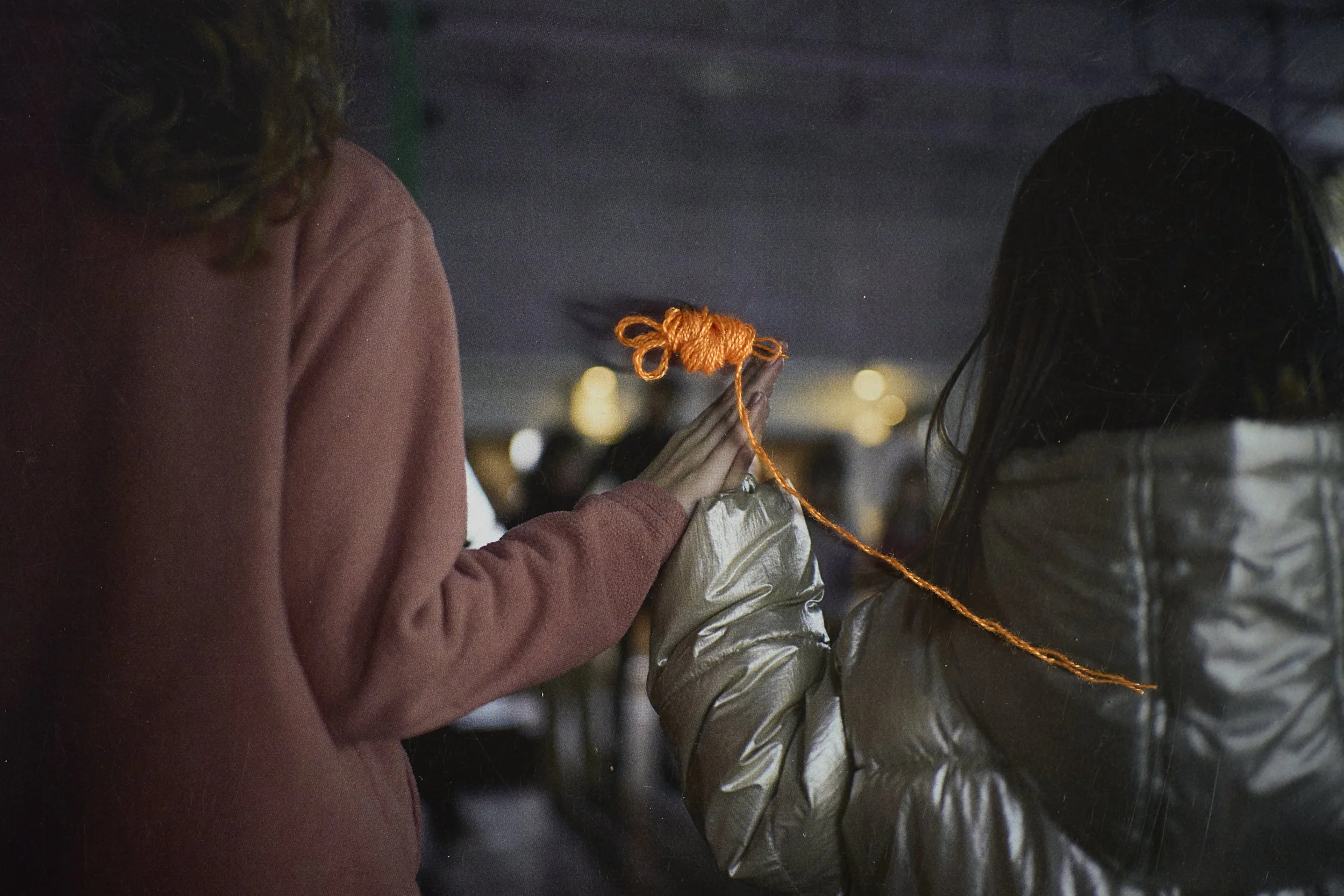
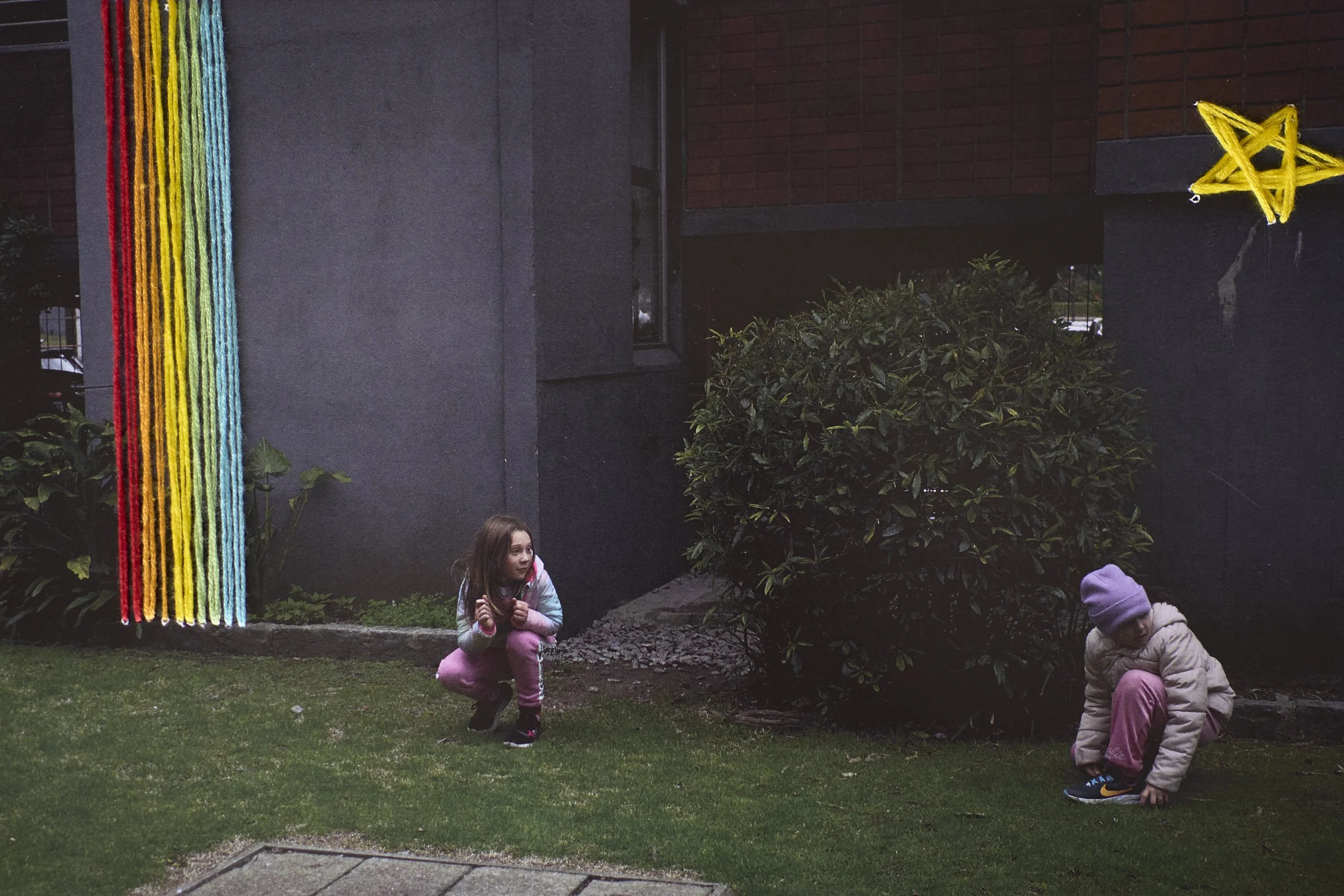
This series uses collaborative interventions, such as embroidery and drawing on photographs, to weave the residents’ voices and histories into the visual narrative. These handmade elements reflect the complex’s collective identity, celebrating its fight against disconnection and its embrace of freedom and community.
Blending documentary photography with artistic expression, the project honors Complejo Bulevar as both a physical and symbolic space of resistance, connection, and imagination.
Part of the project “Building Dignified Worlds in Latin America” by Magnum Foundation, Desis Lab, and Fica
Lucia rings a bell to recollect donations for a soup-kitchen.
Embroidery by Nina.
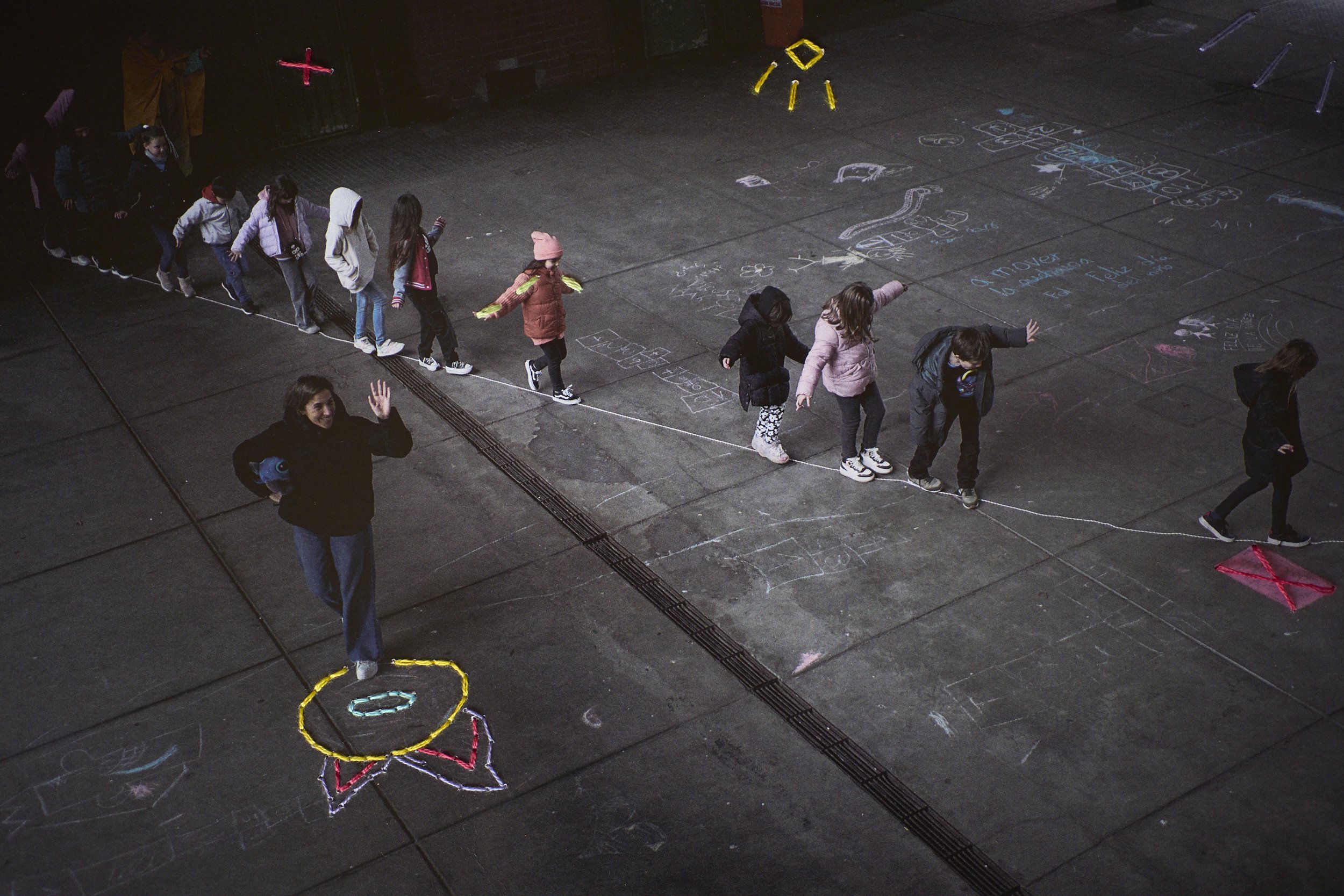
Lucia waves during the celebration of Children´s day in the common areas. Embroidery by Triana
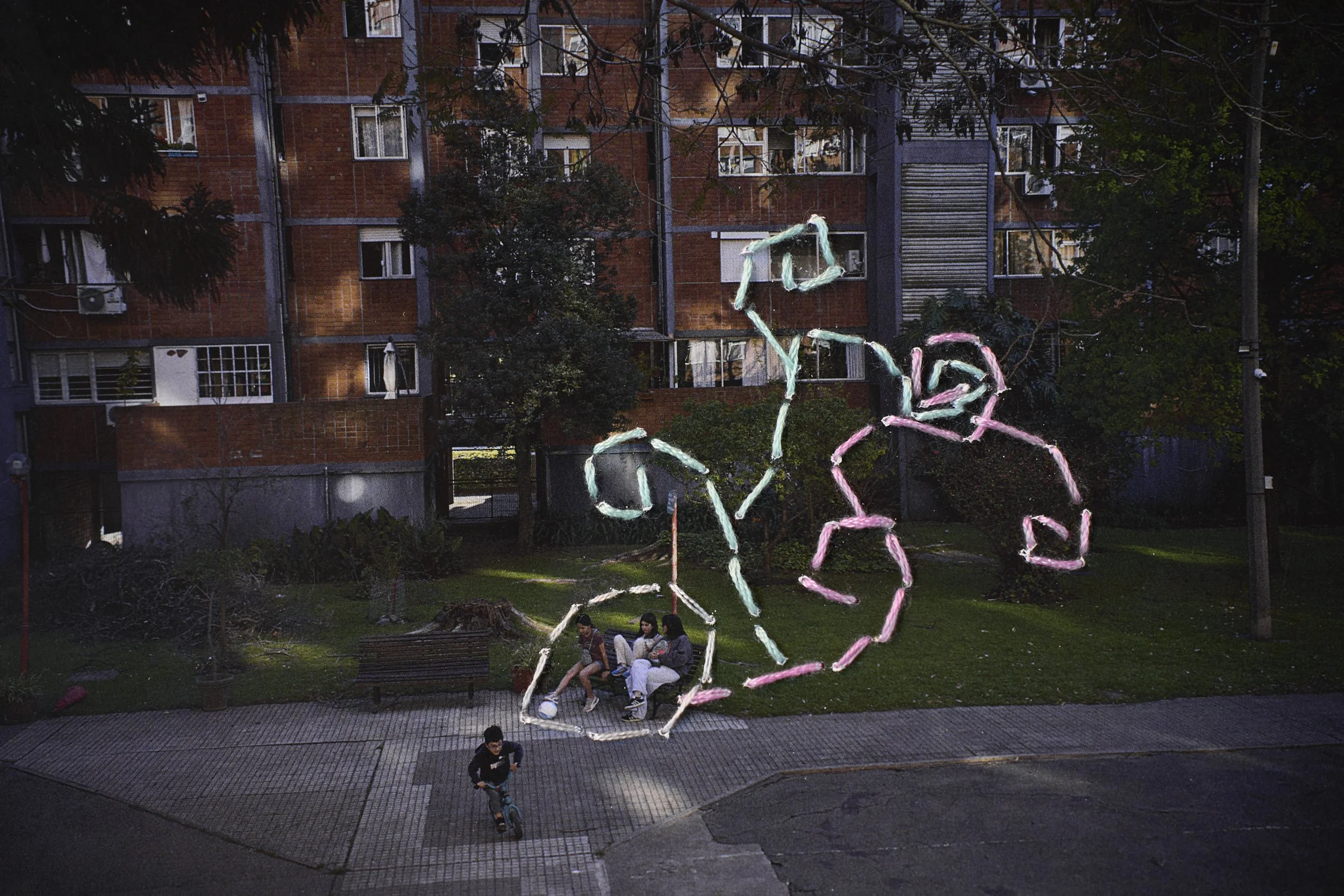
Santiago holds a soccer ball, and organizes people as they do the activity "holding memory" which remembers the people who were forcedly disappeared during the Uruguayan dictatorship. Embroidery by Emilio
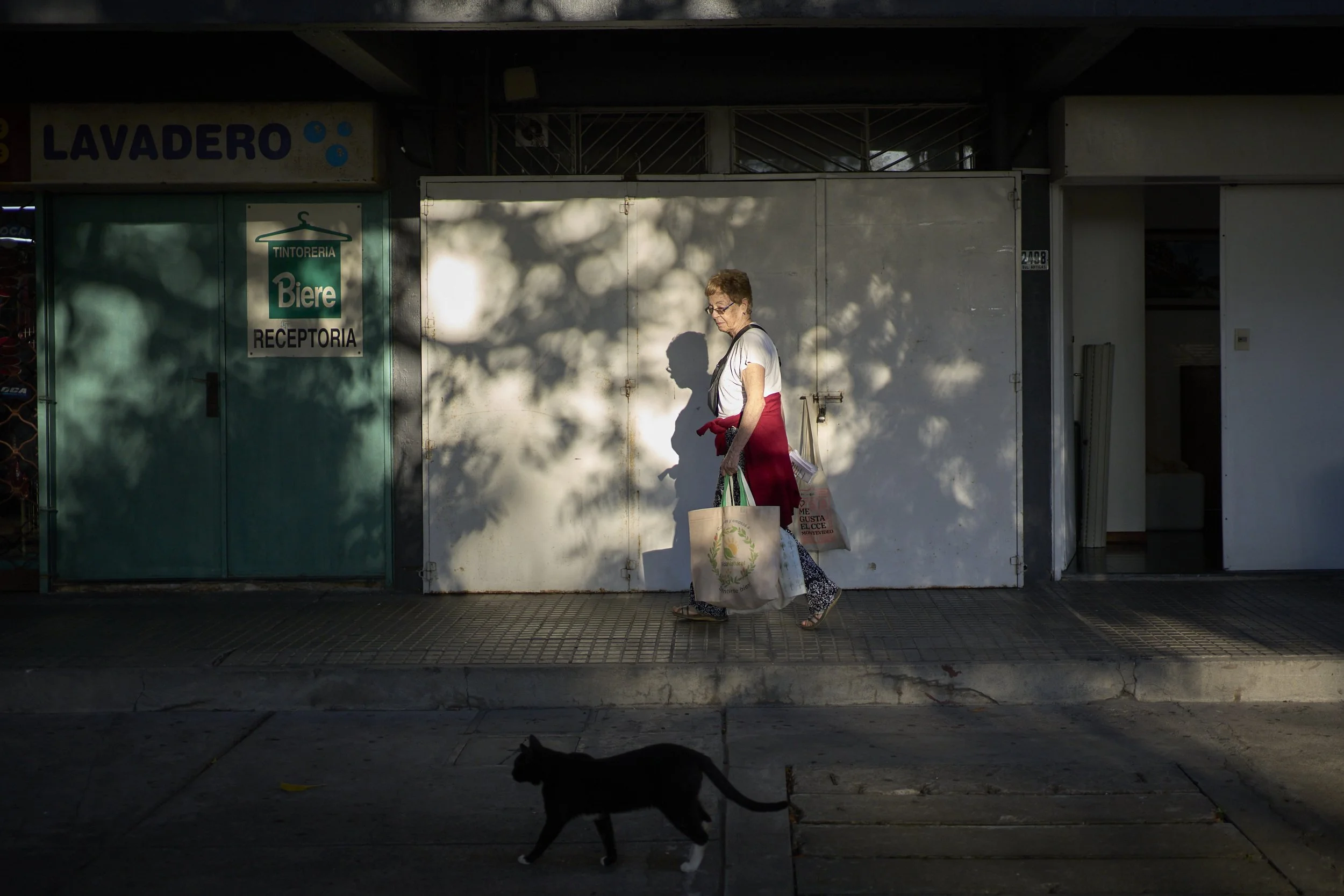
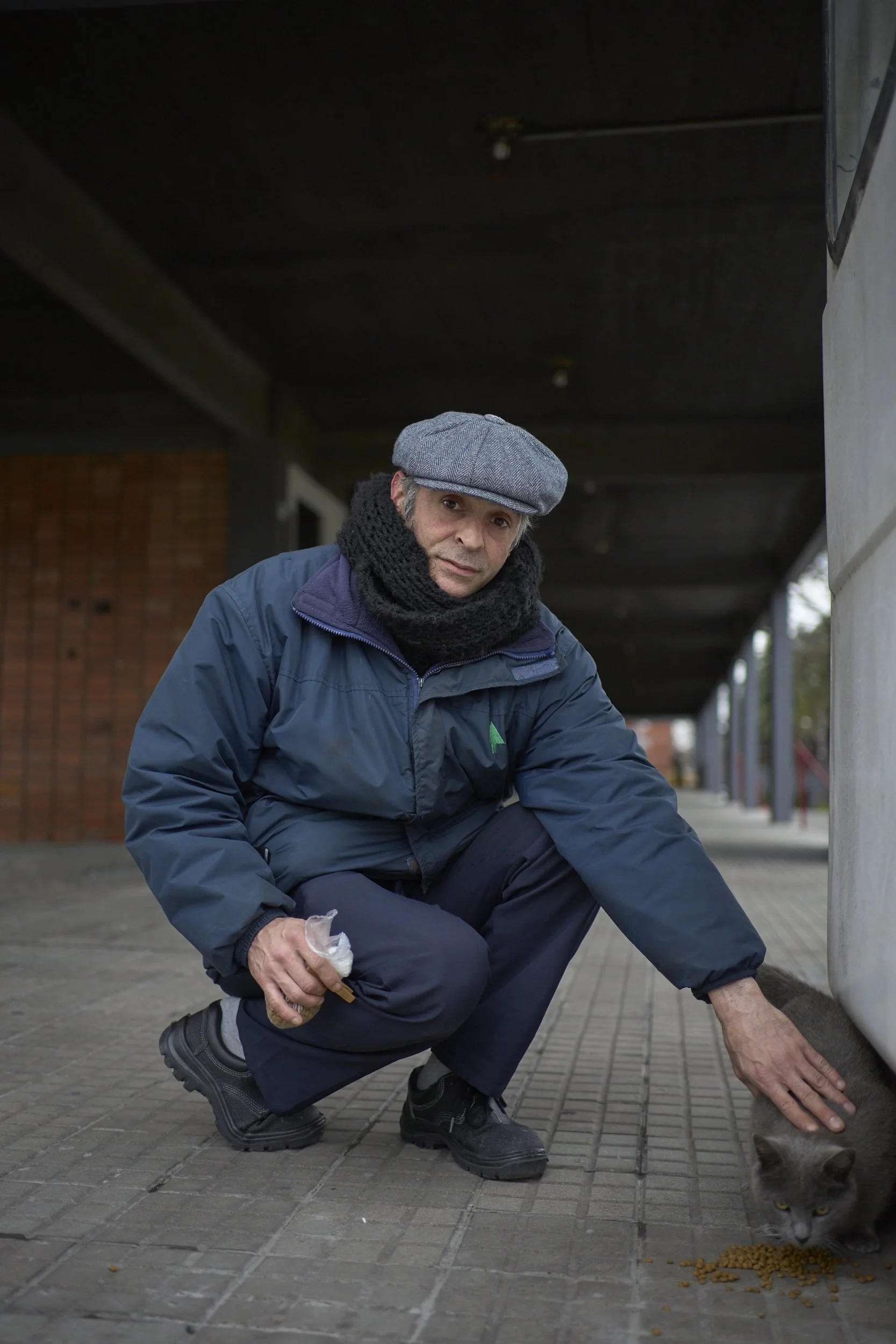
Mauro, one of the security guards, feeds a cat that lives in the area, he was born and raised in the complejo, now lives somewhere else, works there as a security and it’s also part of the community.
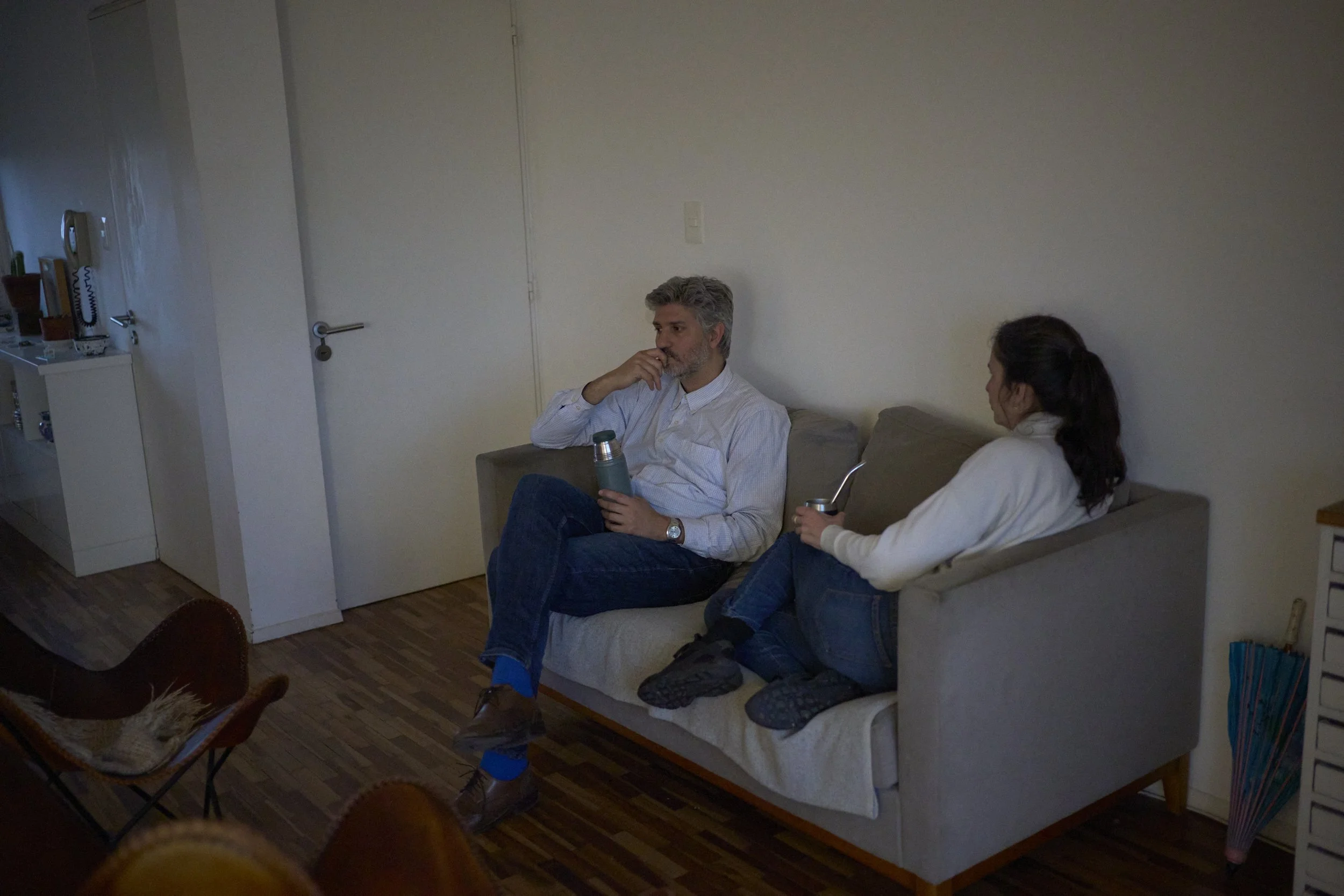
Matias and Valeria have a conversation in their living room, in one of the apartments of El Complejo. Matias grew up in the community, and later in life moved to another apartment, where he lives with his partner and their children.
The Complejo consists of three cooperatives that make collective decisions through weekly meetings. The structure also promotes adaptability: families can move between apartments based on their needs, creating a model where home is not confined to a single residence but resides within the community itself. Informal moves with the help of friends and family within the Complejo are common as families grow or downsize.
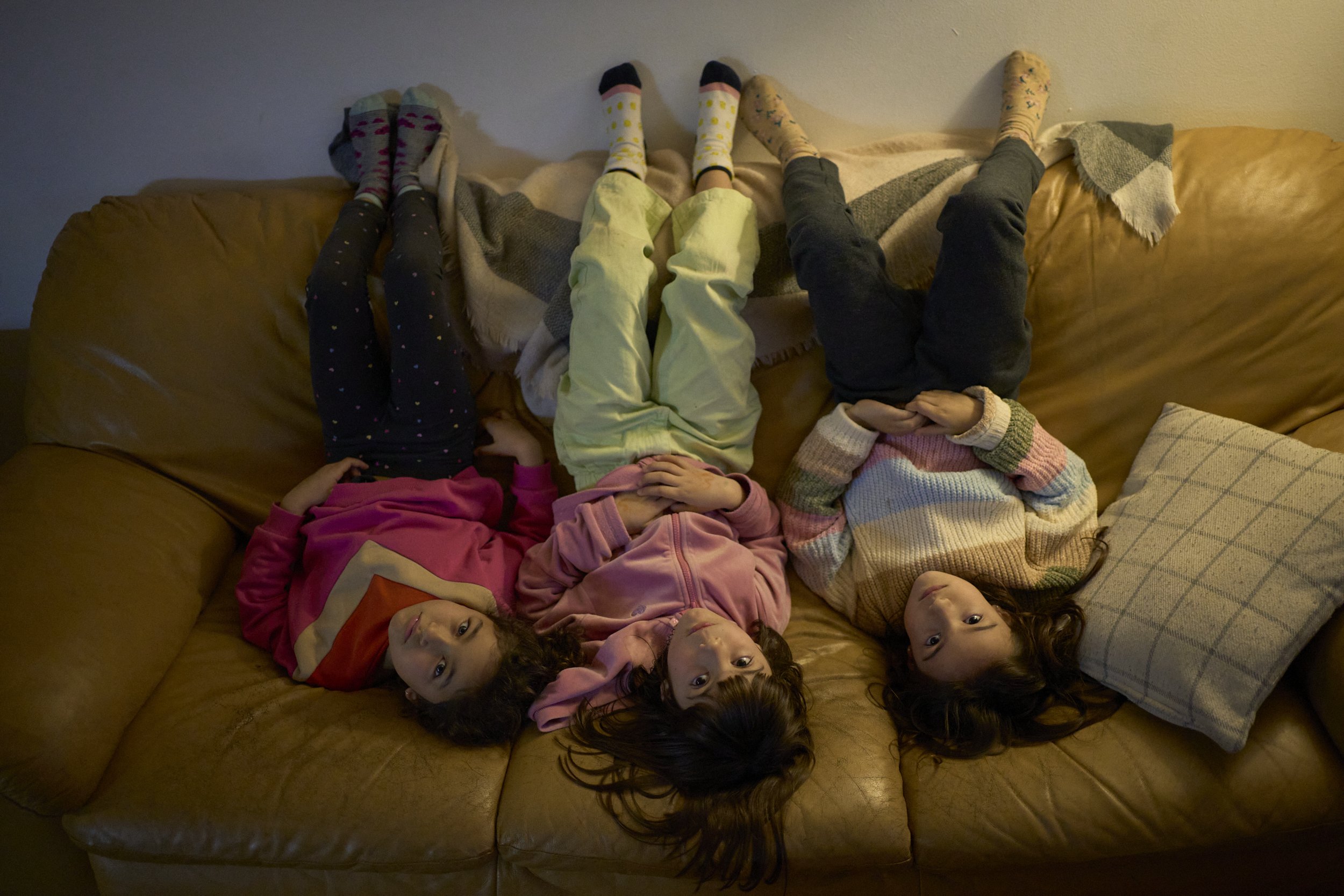
Friends and neighbours Guadalupe, Bruna and Juana pose for a picture in Bruna's home. Their fathers grew up together in the Complejo, later moved out and now moved back in to make their own families, close to their friends.
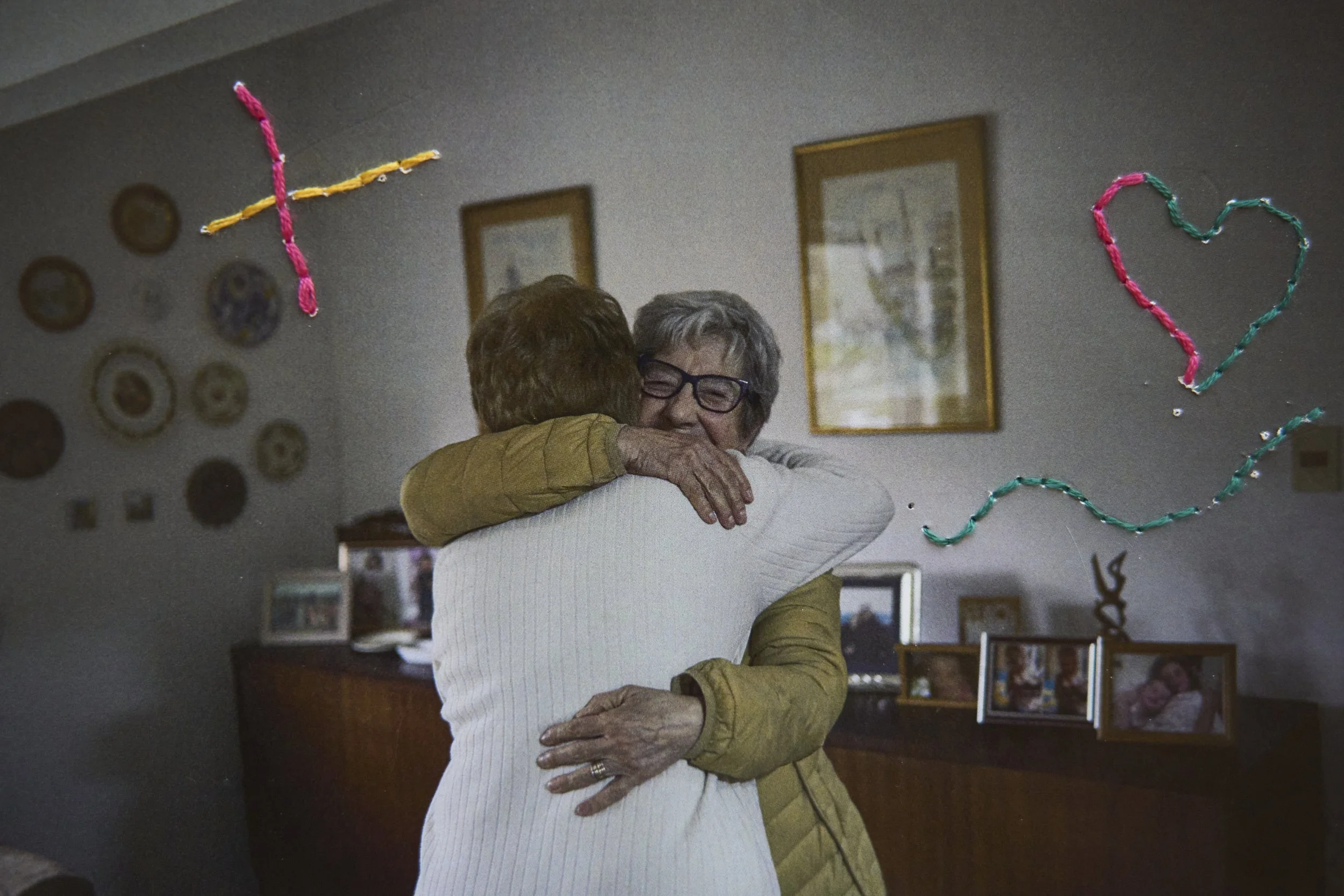
Neighbors and friends Beatriz and Lucia hug in Lucia's home, after an afternoon spent together. Embroidery by Sara
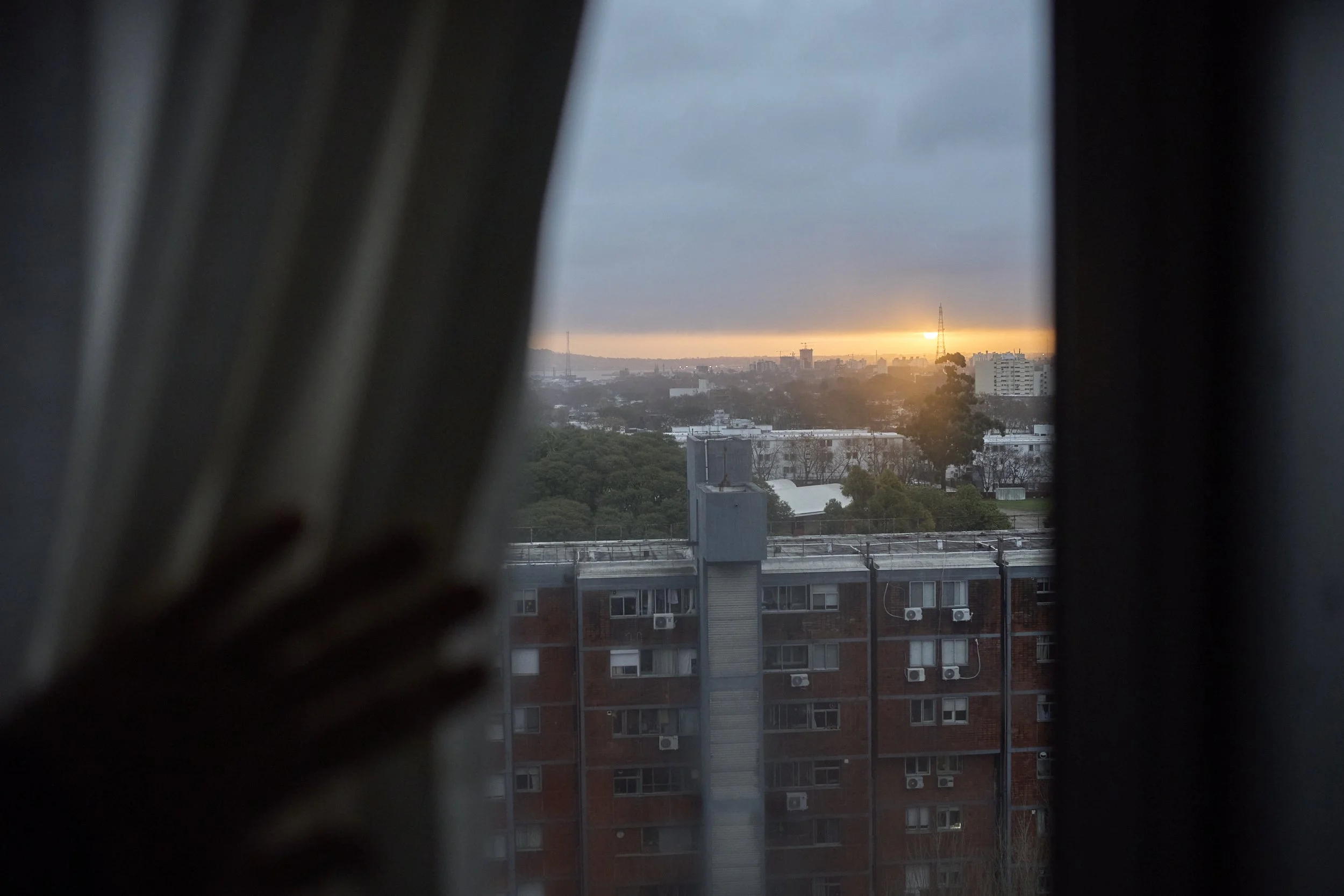
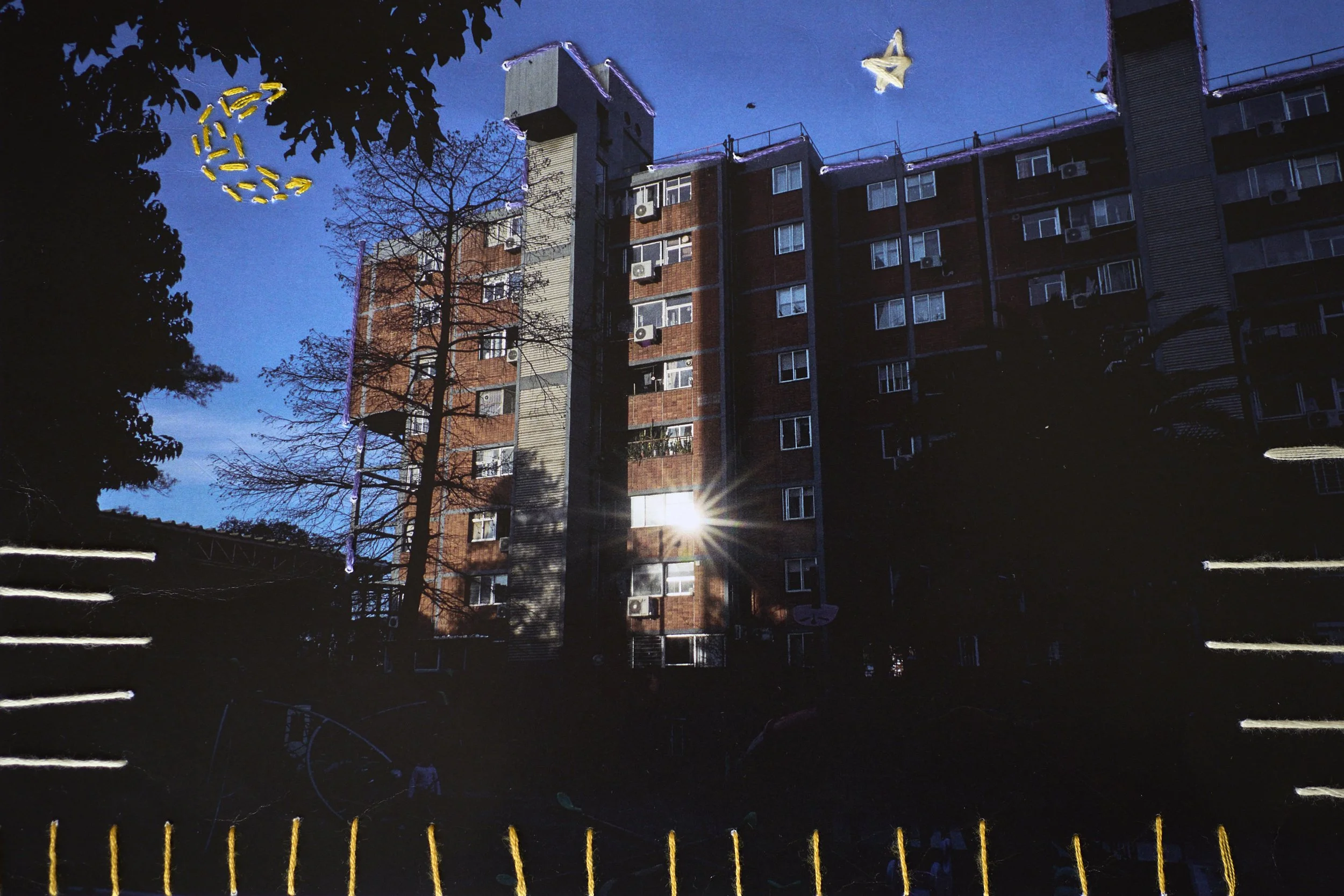
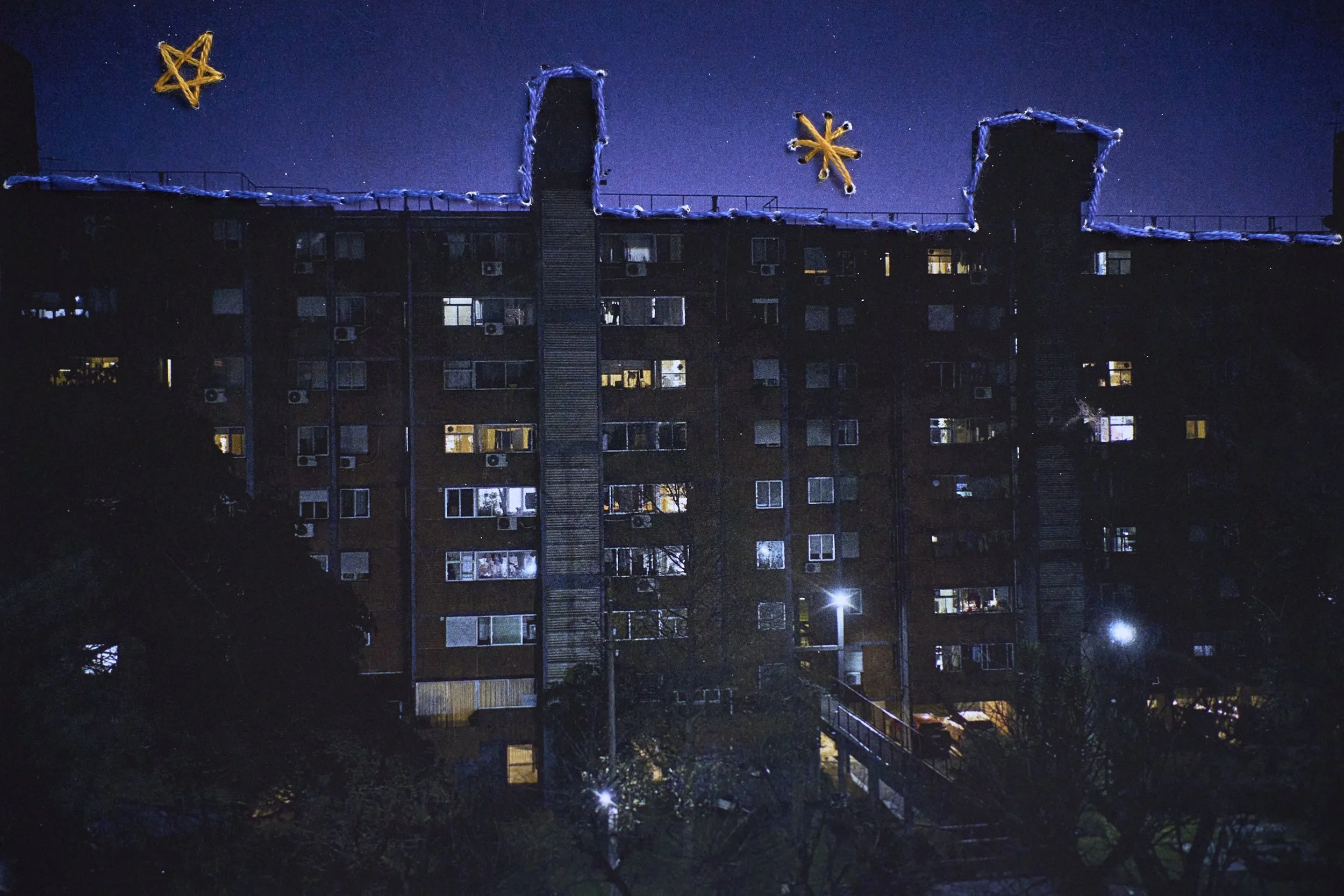
View of the Complejo Bulevar on a winter afternoon. Embroidery by Mariana and Vera
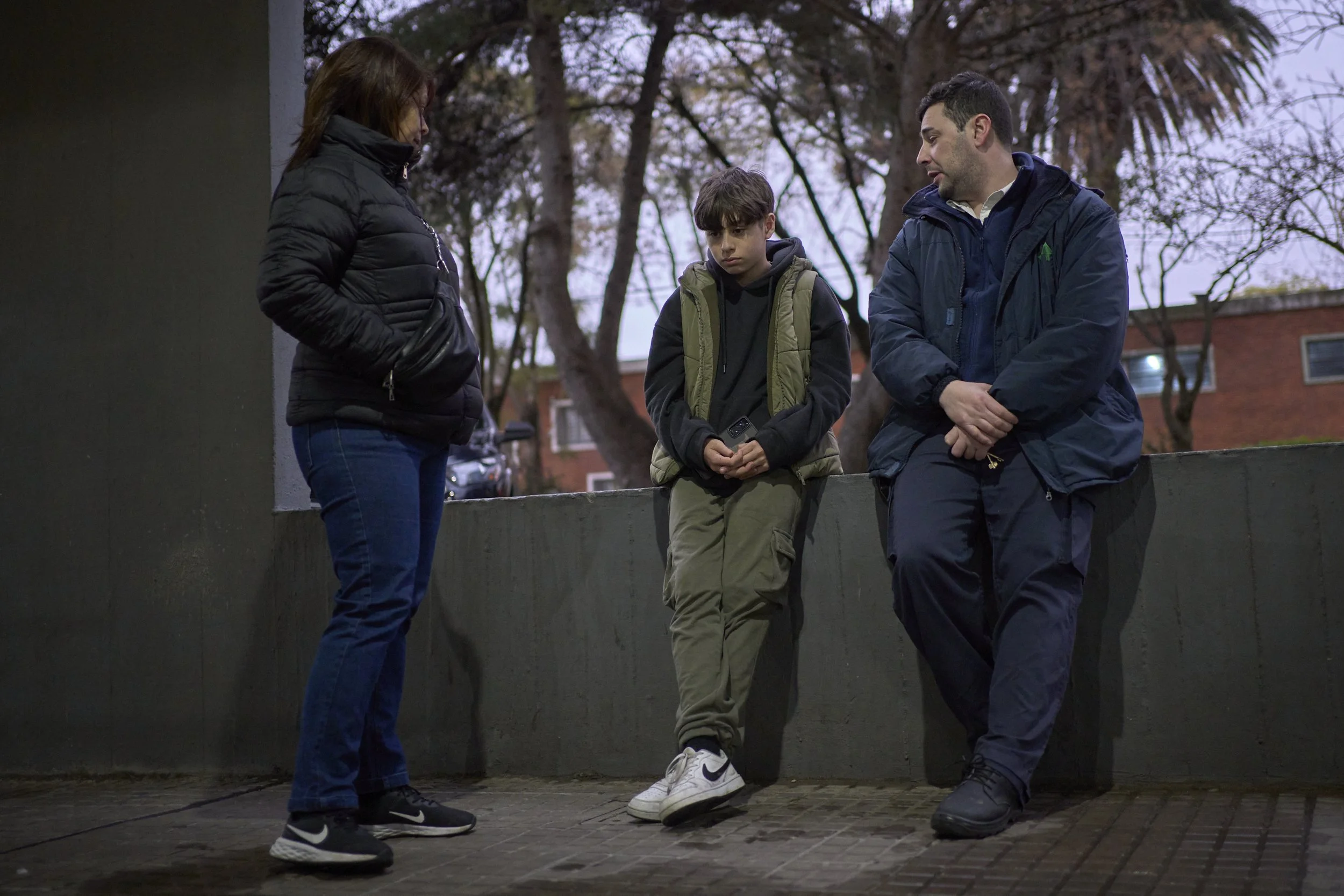
Manuel is being told off by his mother and the guard on duty, for an argument he had with a neighbor.
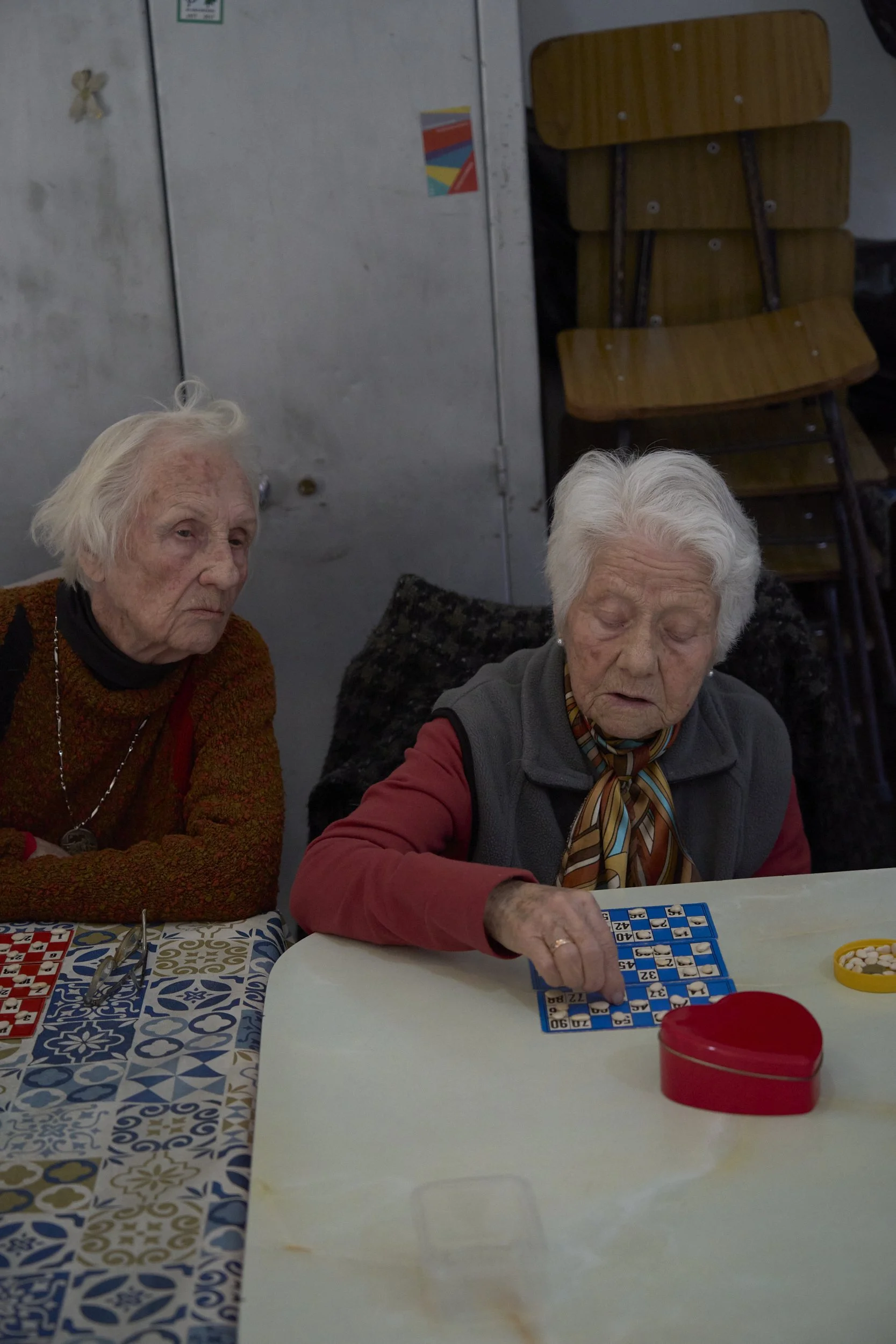
Bingo games in the Renascer elder center.
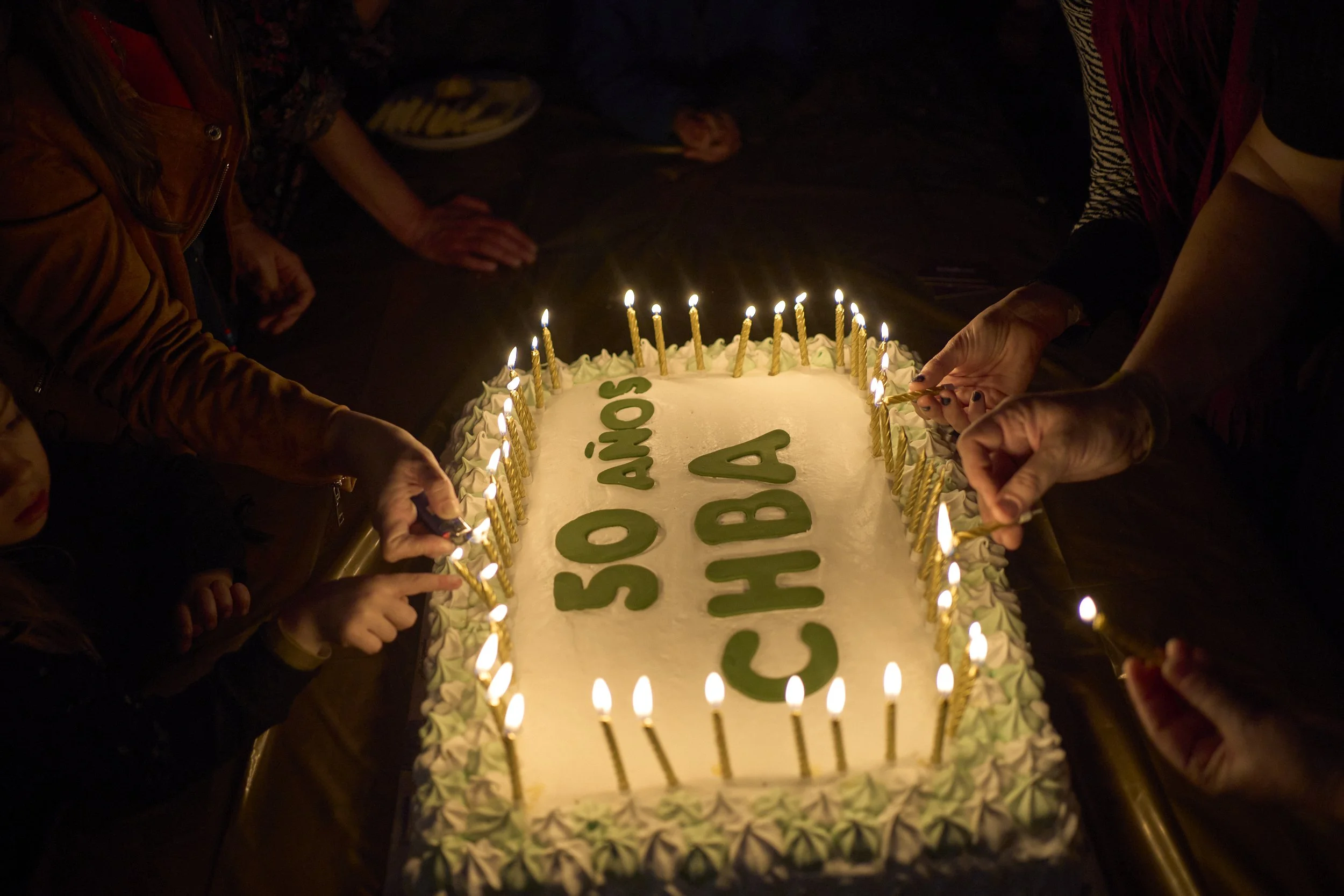
Complejo Bulevar remains a dynamic space, featuring a library and bookstore that acts as a cultural center, soccer classes, gardening activities, children’s recreation programs, senior programs, and versatile spaces for collective activities like barbecues and birthday celebrations. While debates have arisen about closing the Complejo for safety reasons, the community has resisted, keeping its doors open to the neighborhood and creating community.
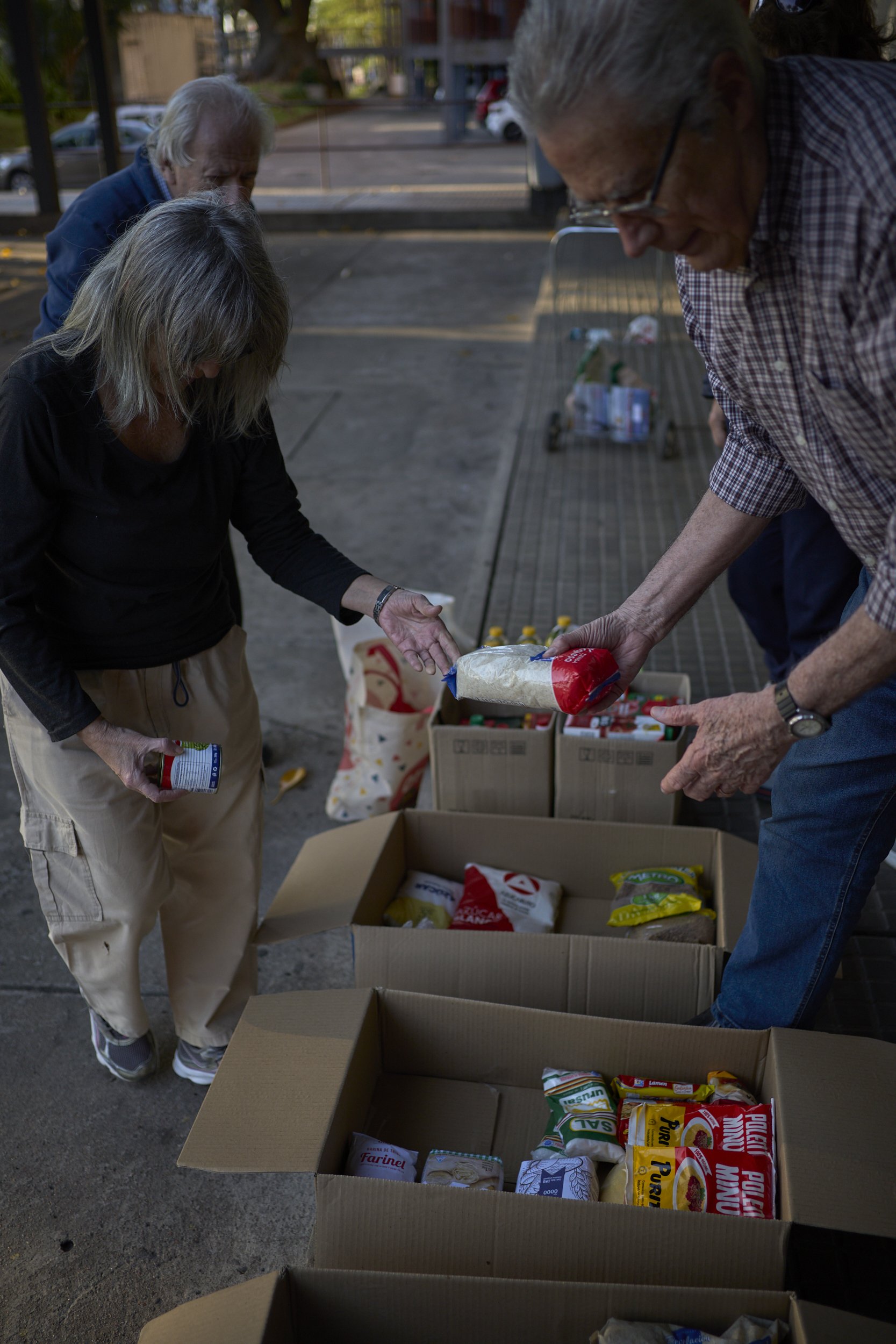
Every Friday a group of neighbors gather donations to bring to soup kitchens around the city, a initiative that began during the COVID pandemic, because of the raising poverty.
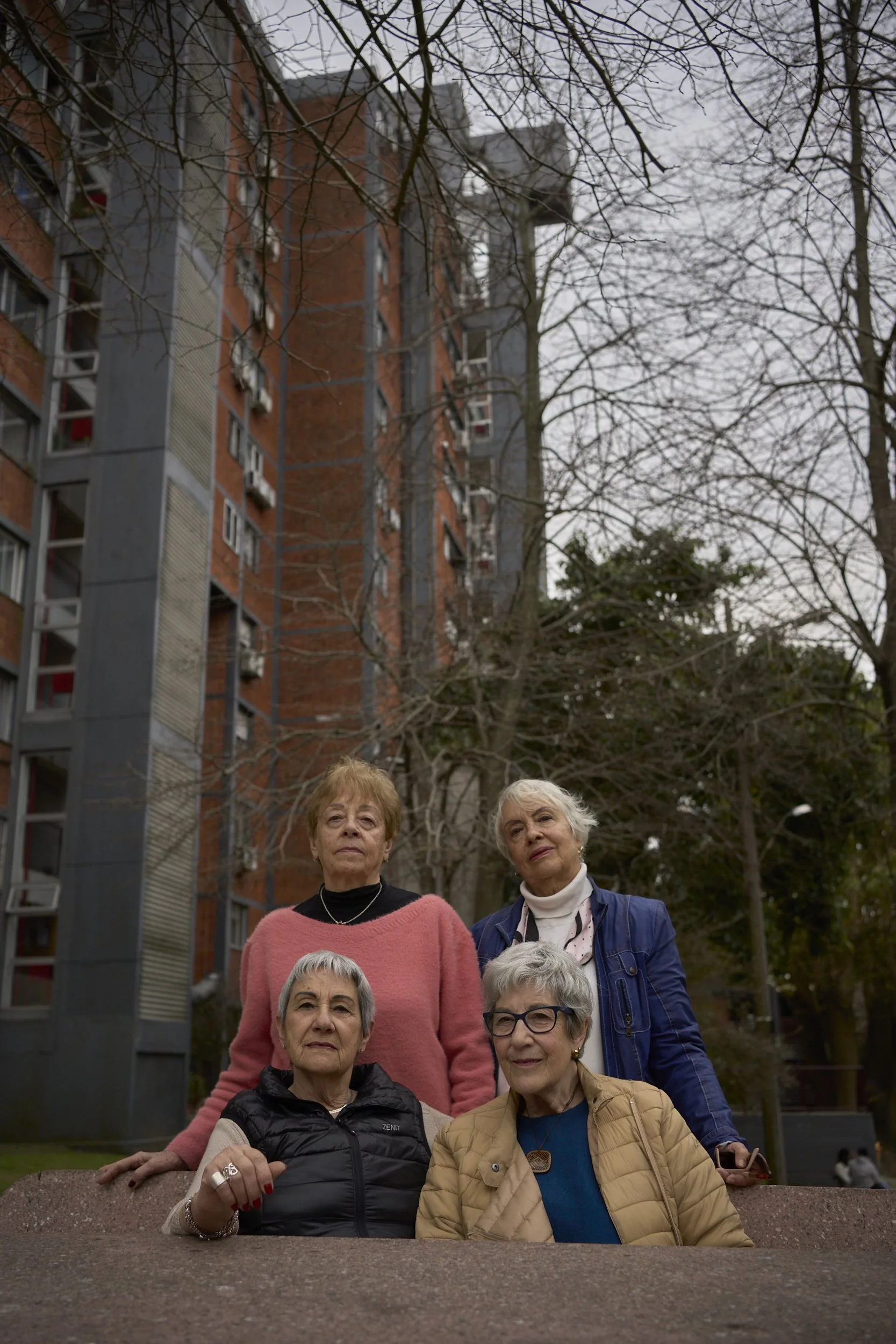
Teresita, Beatriz, Ofelia and Lucia pose for a picture. They have been friends for over 40 years, a friendship that began from being neighbours and helping each other.
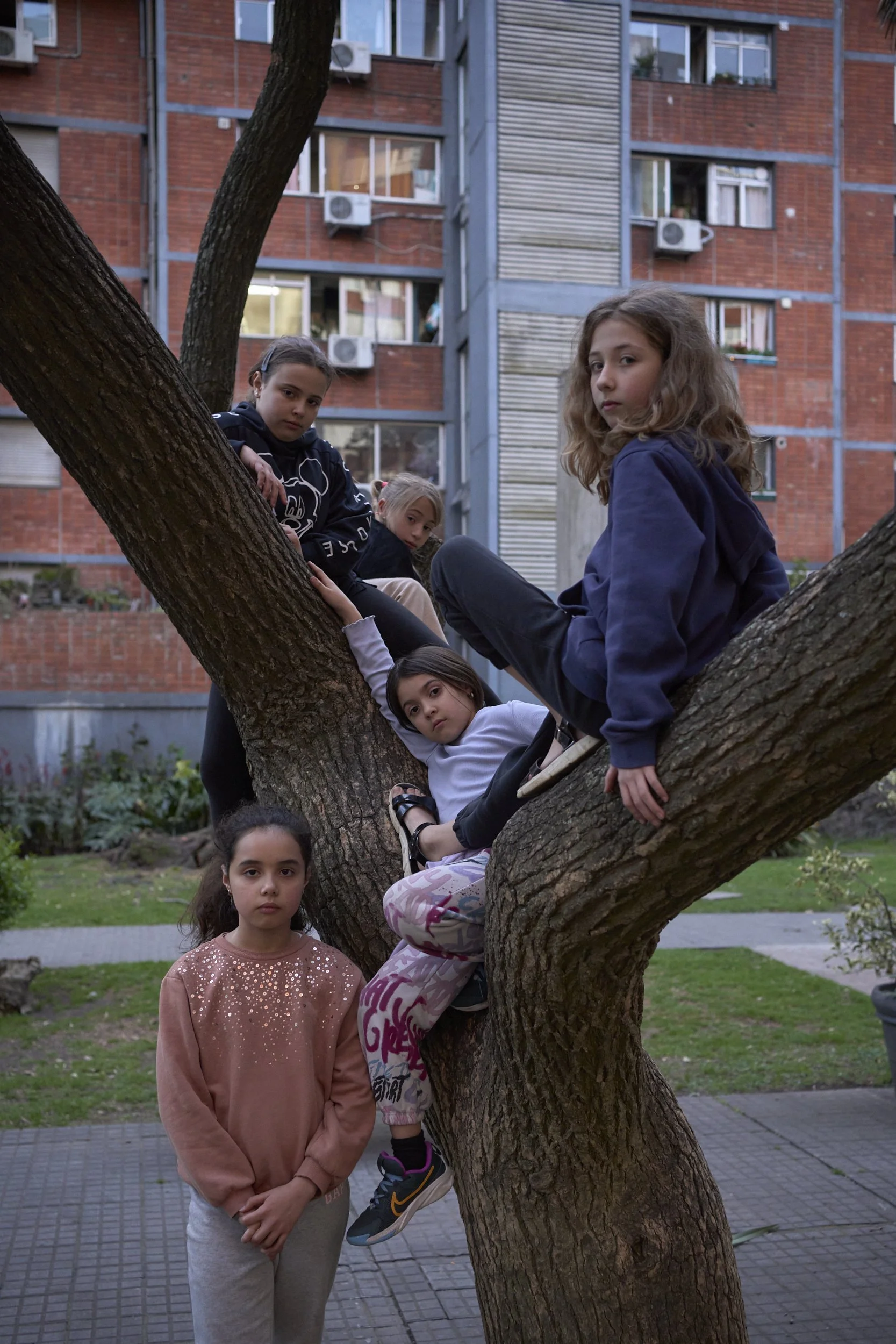
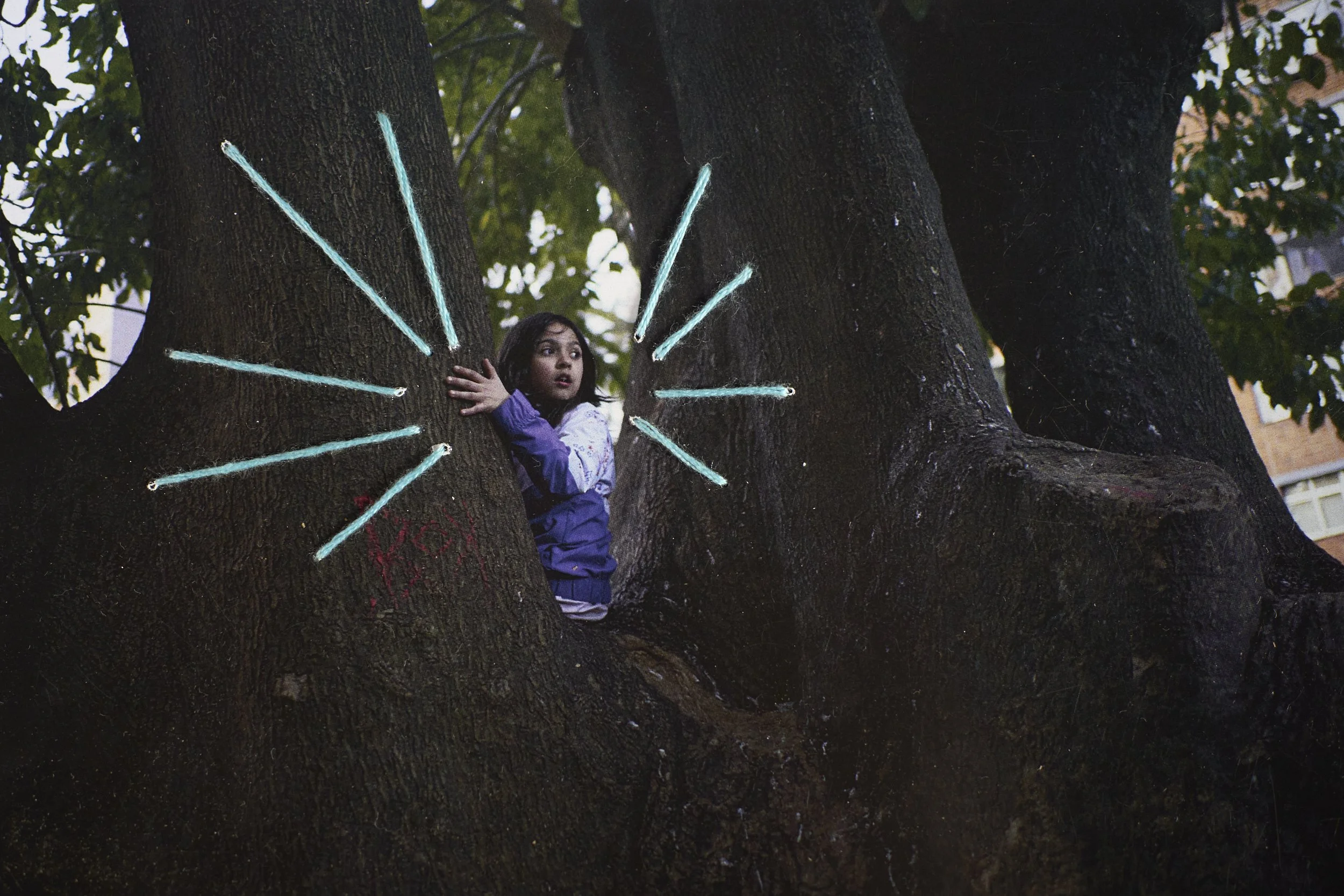
Emilia, Guillermina, Mia, Emilia and Isabel pose for a pictures in their favorite tree. They are friends and neighbours and they are growing up together.
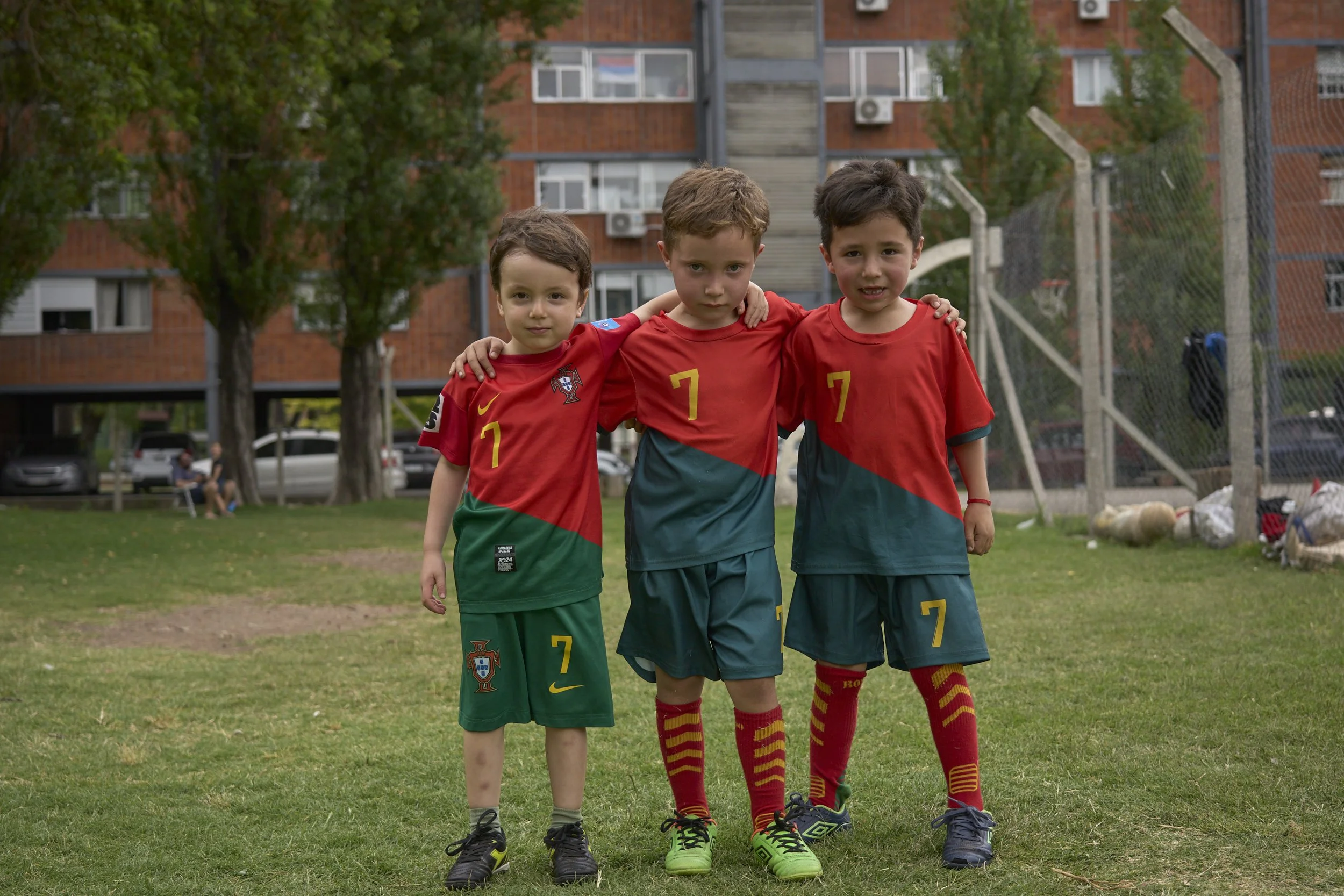
Friends Juan Cruz, Vichenzo and Angelo pose for a picture after a football training. Their trainer, Gron, is a neighbor that has been training kids and teenager for almost 40 years, and by doing so strengthening friendships.
Celebration of Children´s day. Embroidery by Lucia.
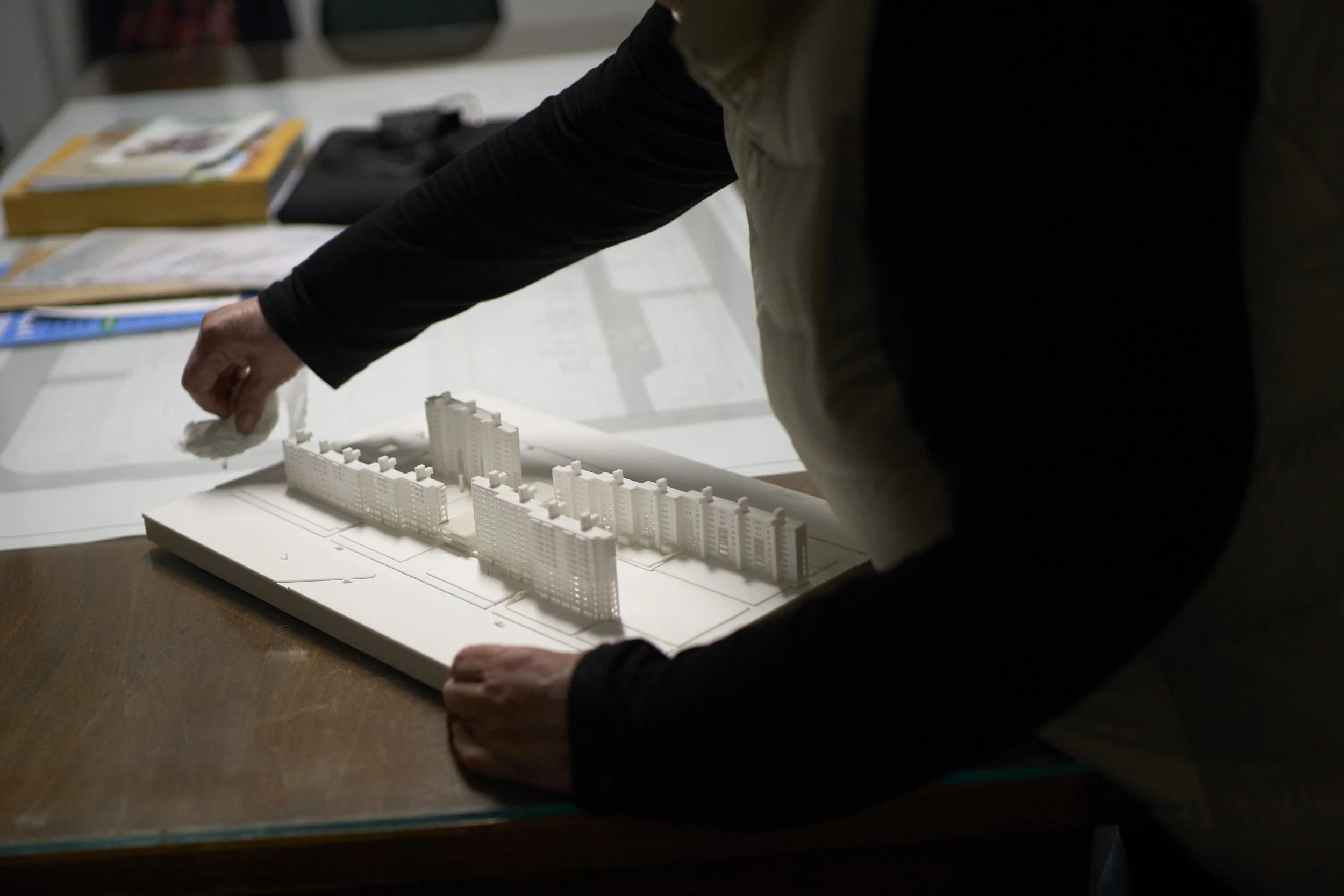
Cristina cleans a maquette of the Complejo, before a general meeting.
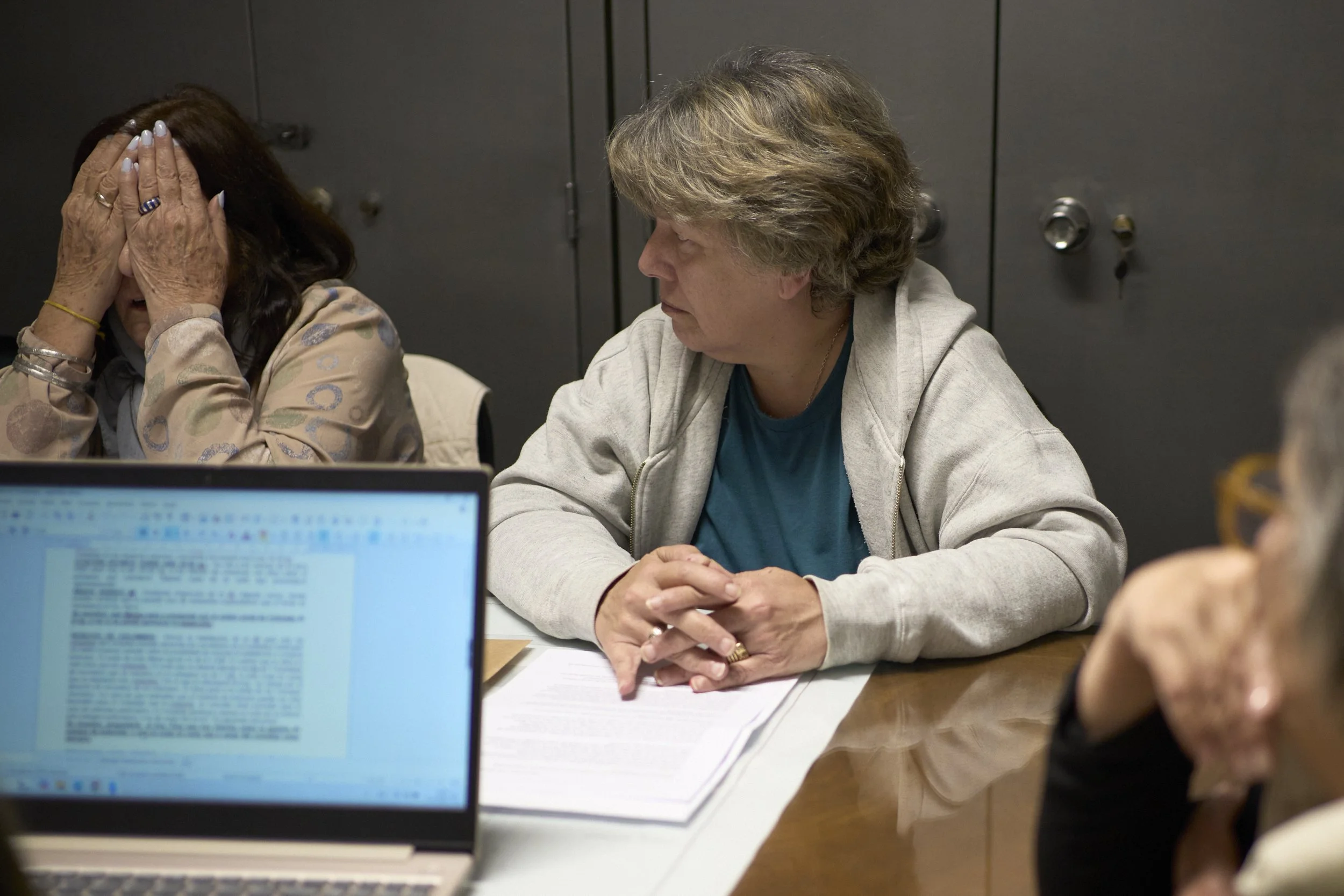
General assembly that gets together weekly, discusses internal issues.
Like any collective, Complejo Bulevar has faced challenges and transformations. Traditional celebrations like Three Kings Day have stopped and given way to new ones such as Halloween, WhatsApp groups have been formed, and spaces like the volleyball court have disappeared, while others have emerged, such as the ombú tree, which regrew after being removed. The community has also experienced shared joys and moments of grief.
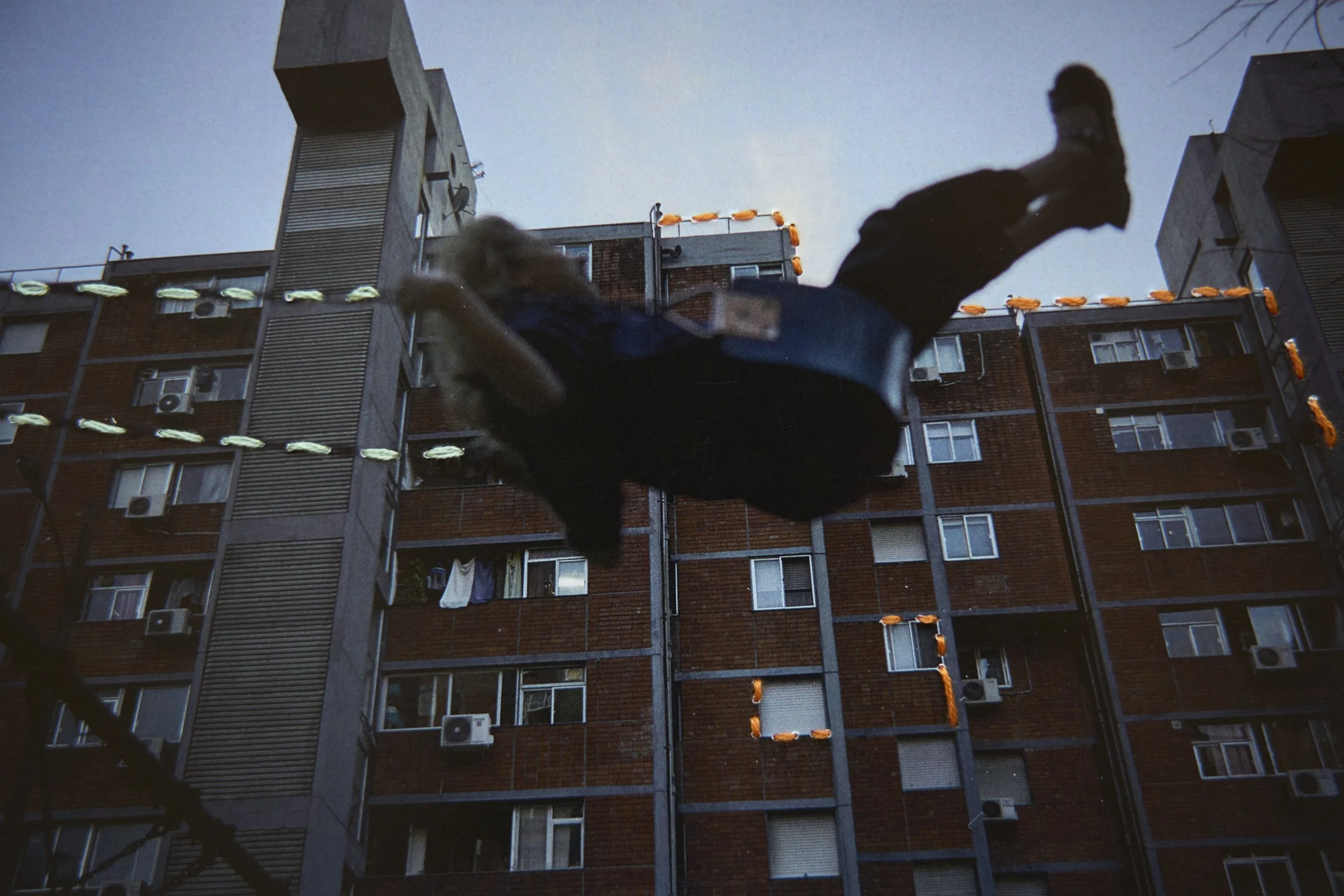
Emlia plays in the common area. Embroidery by Triana.
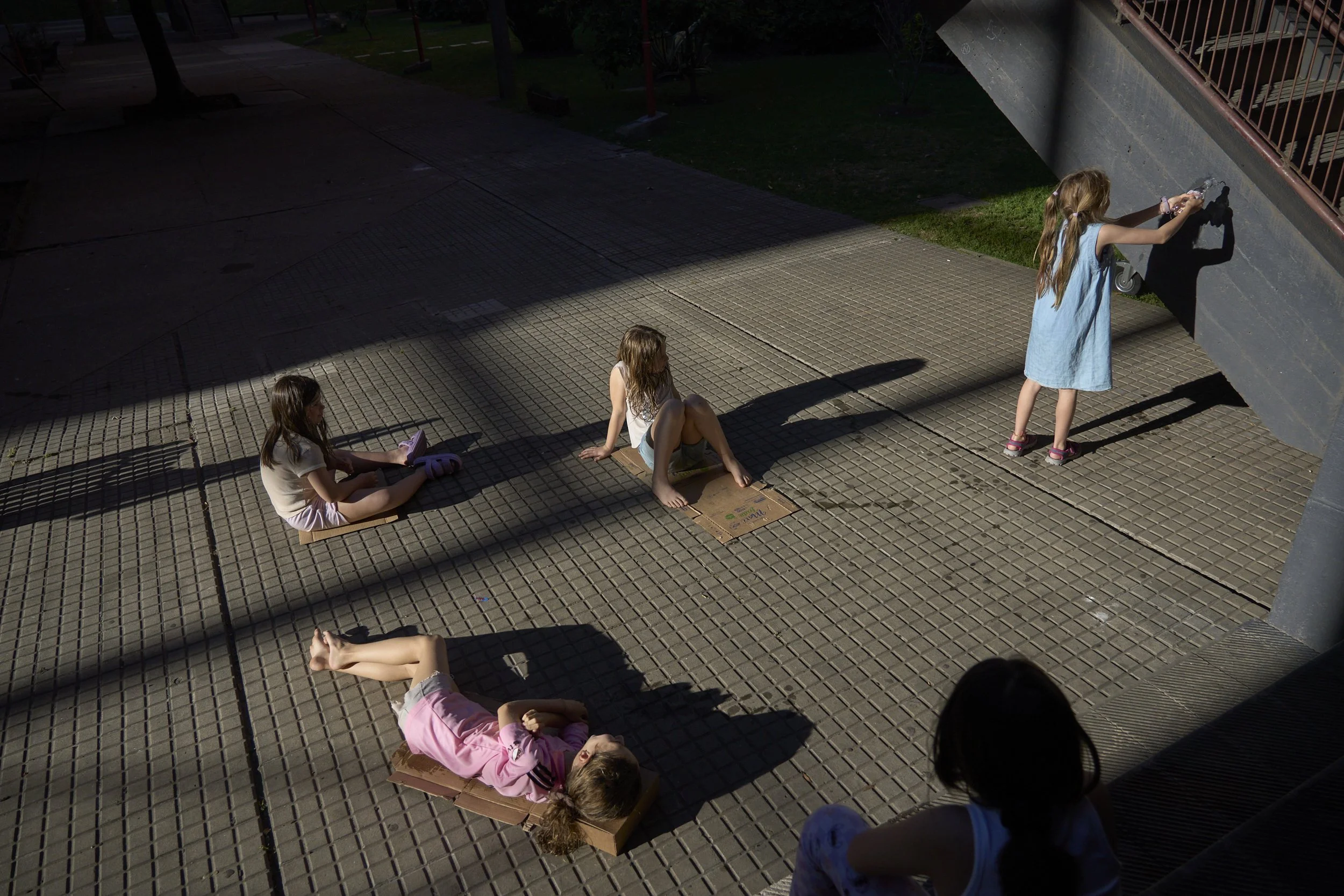
A group of kids dry out in the sun, after a water fight.
Kids play during a spring afternoon, in the common garden. Embroidery by Lola.
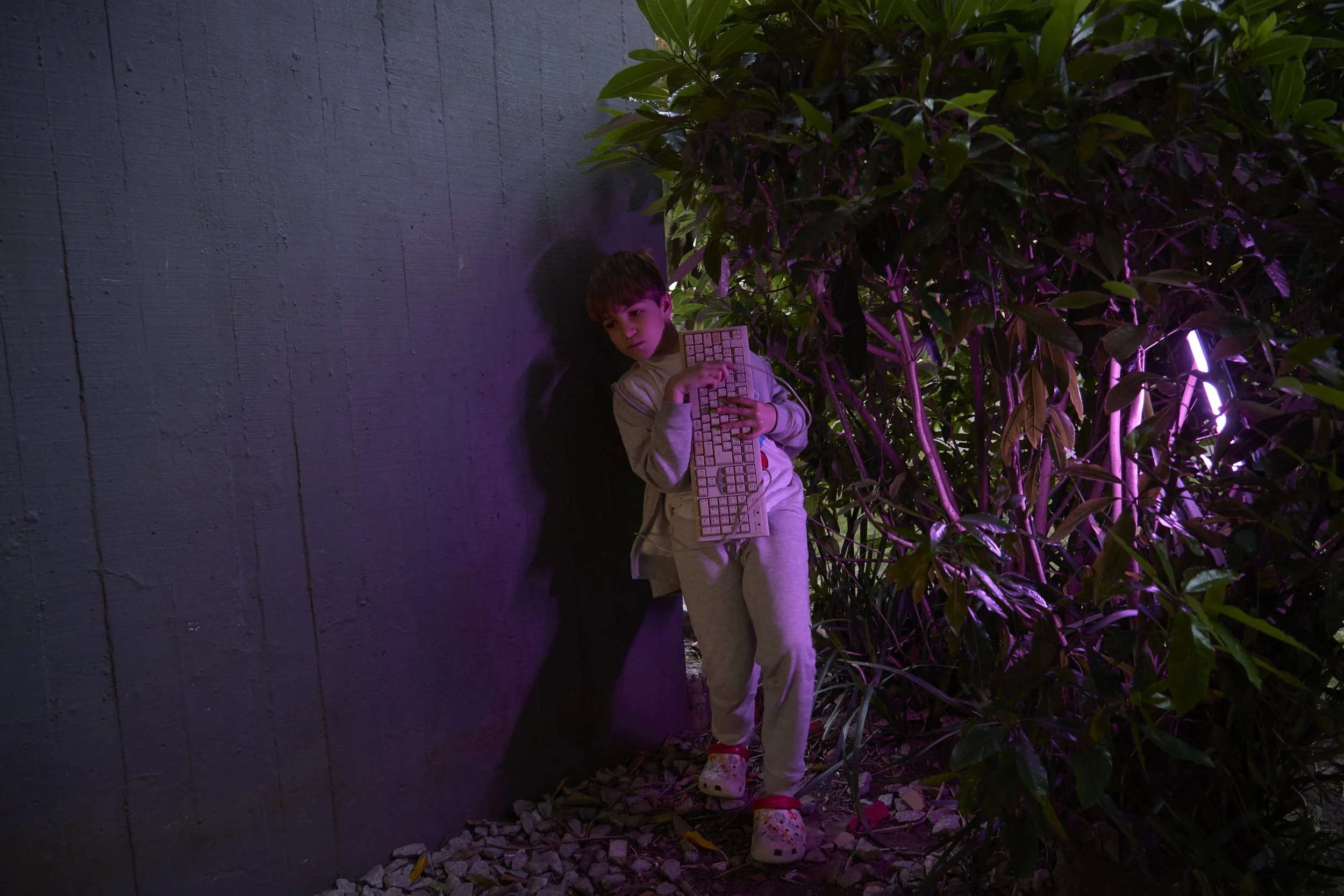
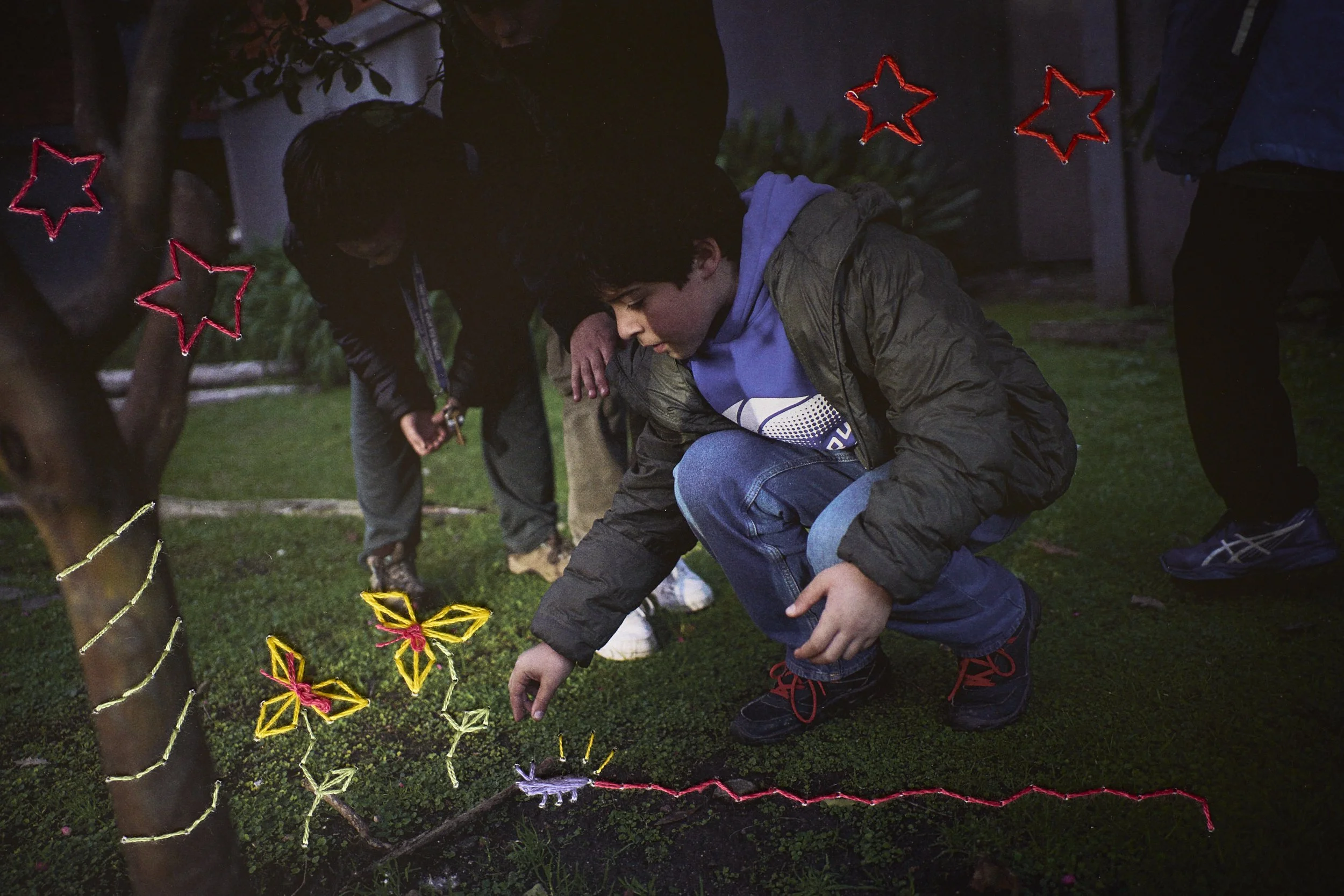
Kids play in one of the "guaridas”, their favorites hidden places Embroidery by Emilano.
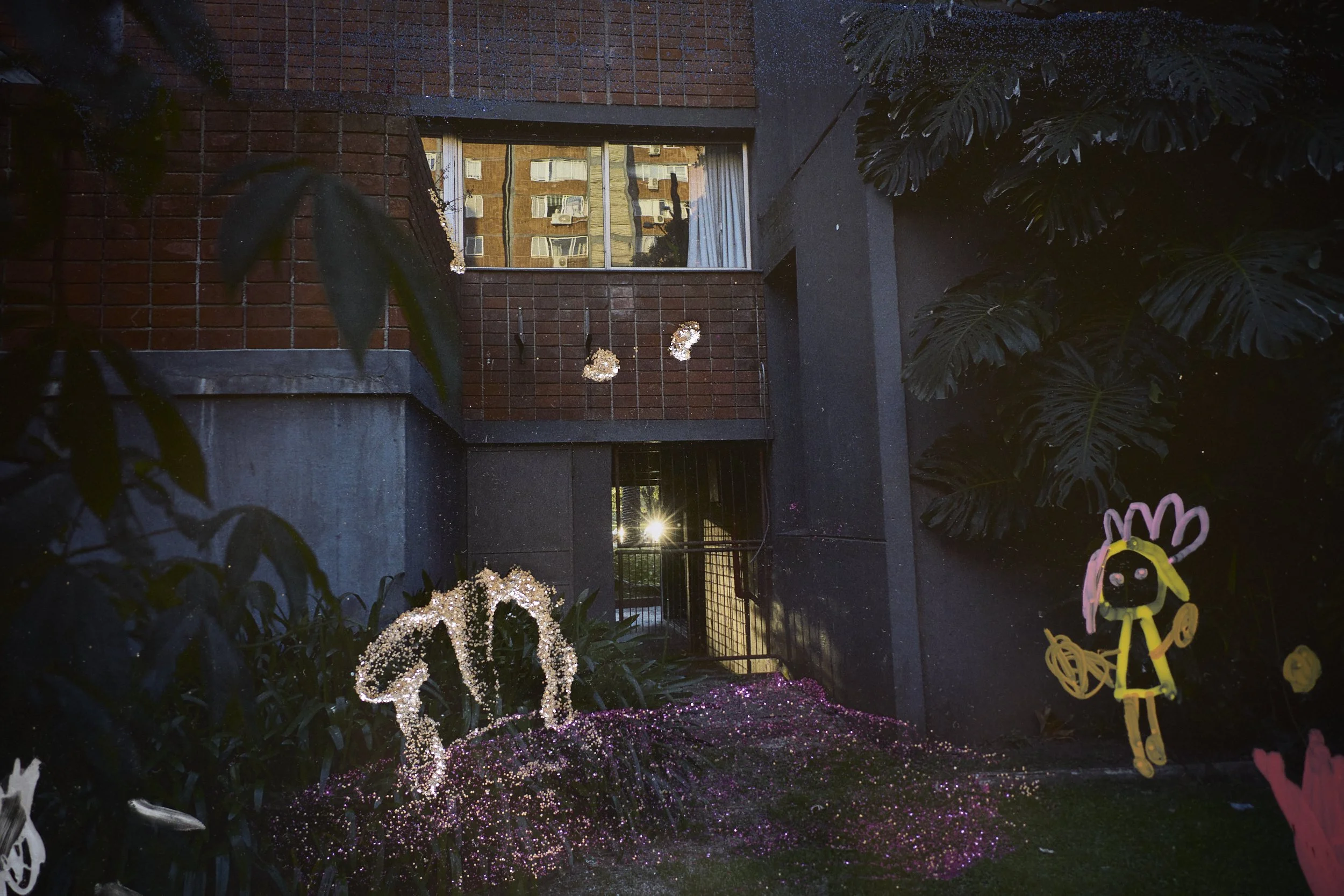
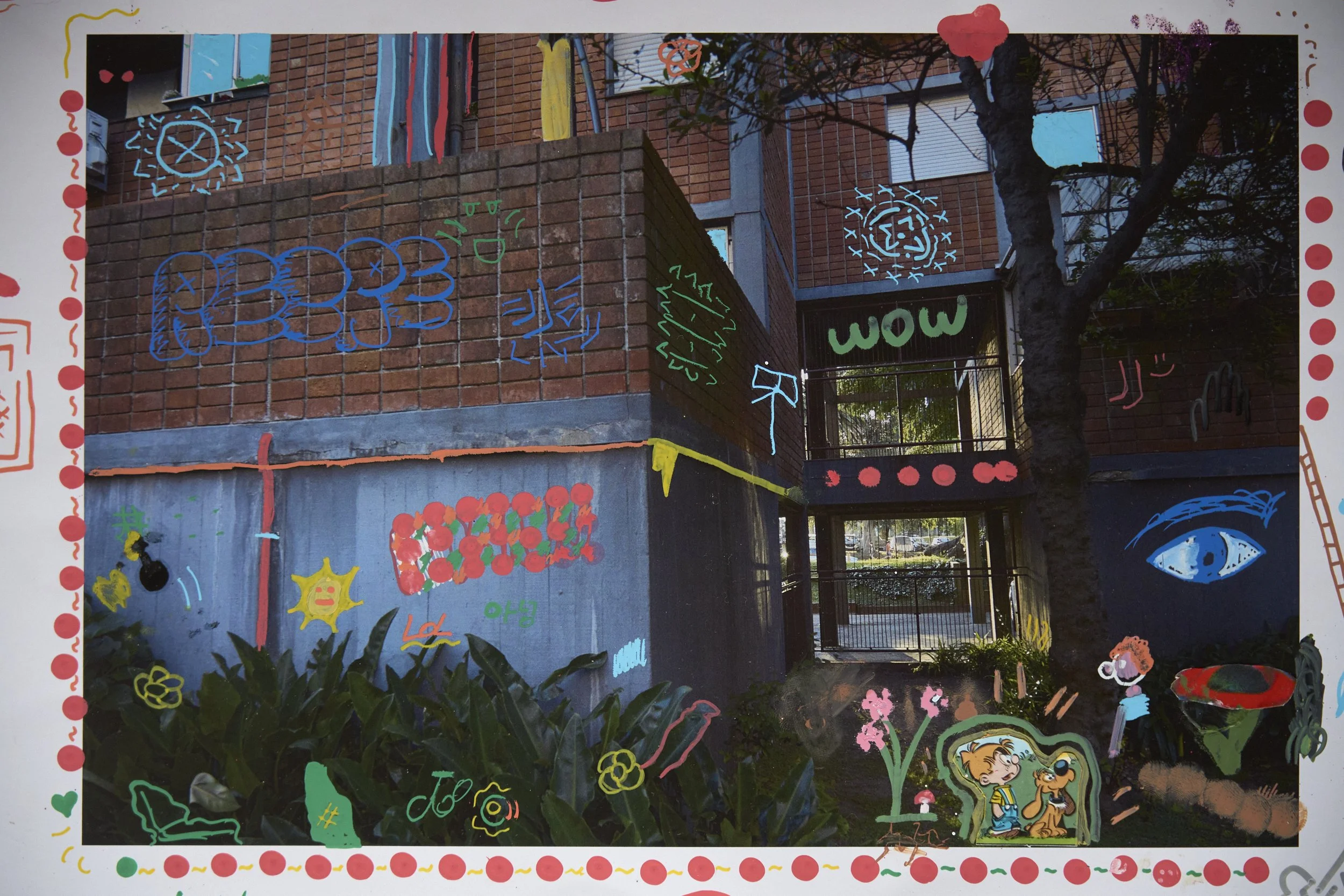
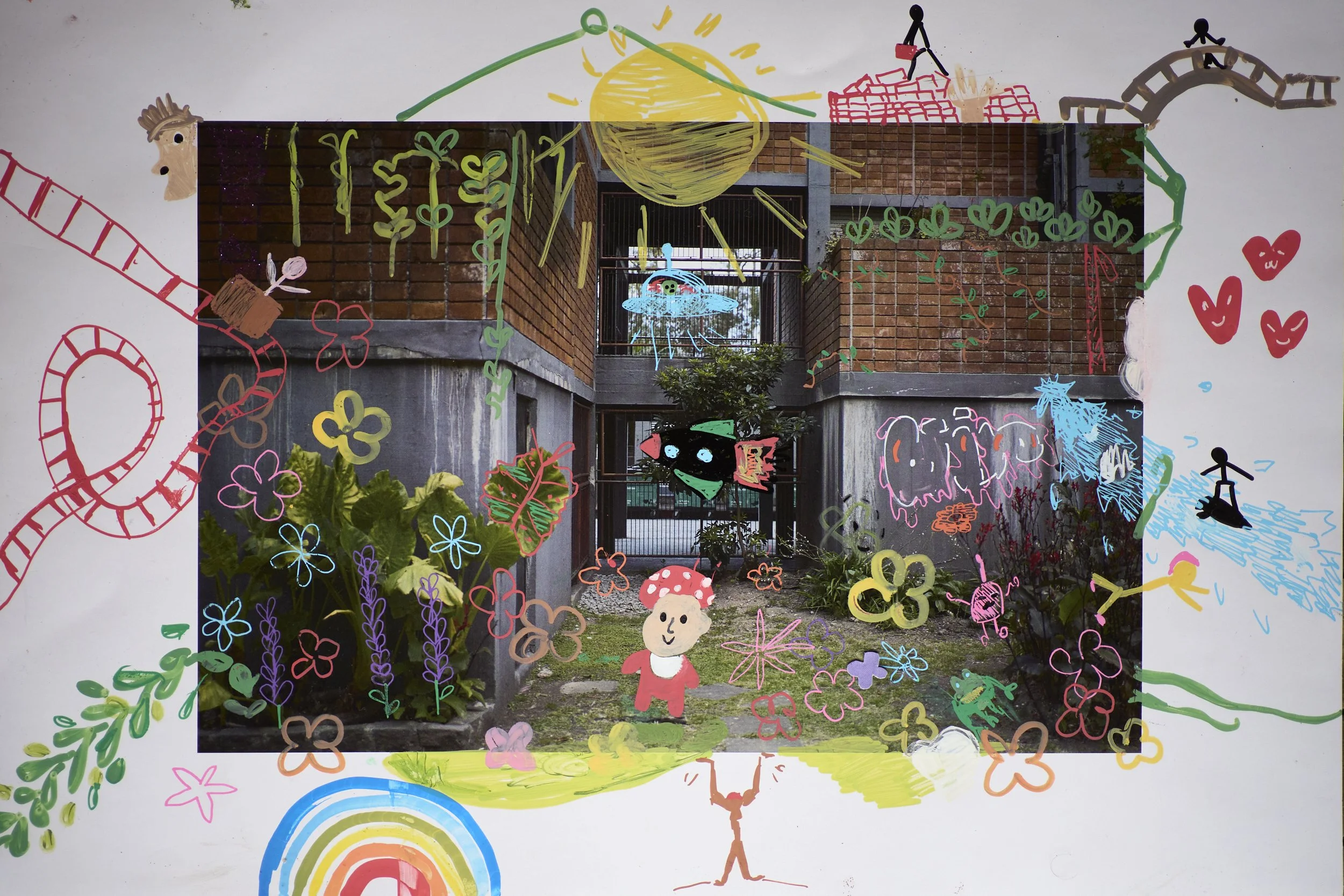
Guarida- hidden communal spaces where kids imagine and play. Drawing by Isabela, in the picture she is a princess and the hiding place is her castle.
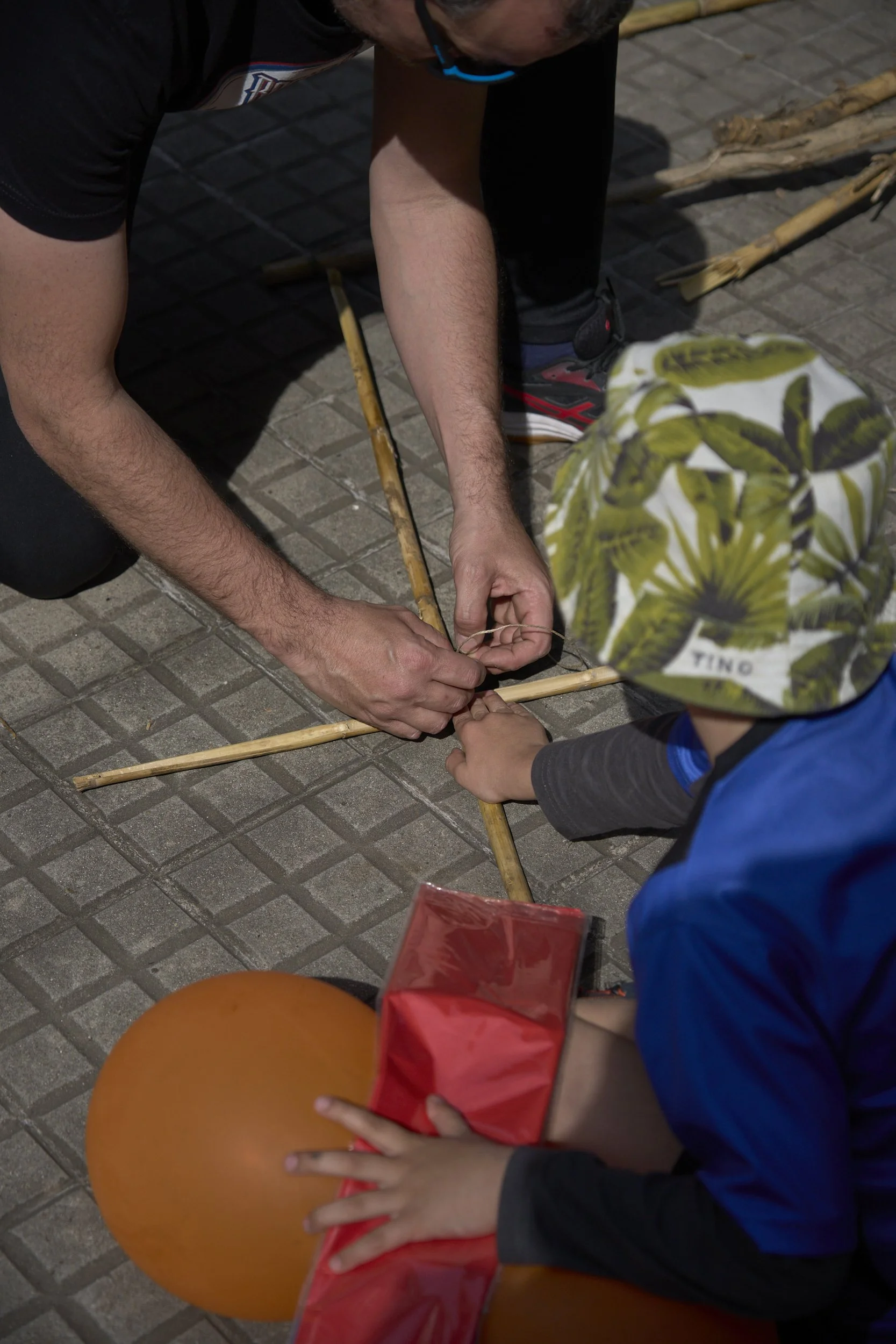
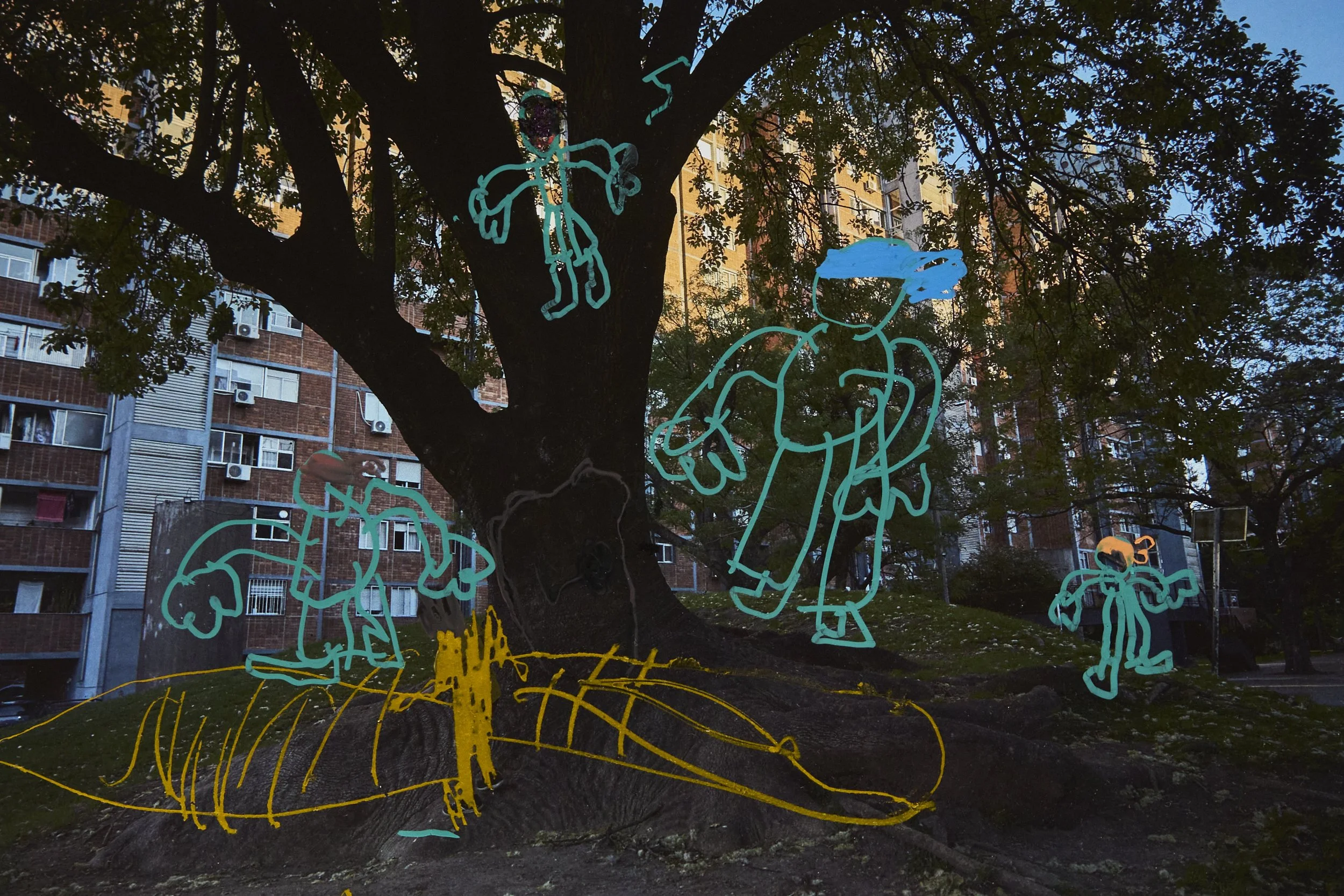
The activity, which following a photo tour to the Guaridas led by the kids, consisted in intervening the pictyres with their imagination, and was done with the help of the team of children's recreation facilitators.
Alfonso and his friends play in the communal garden. Embroidery by Paula
Guarida- hidden communal spaces where kids imagine and play- drawing by Tino. In the pictures is Ivan, another kid, is among Ninja turtles.
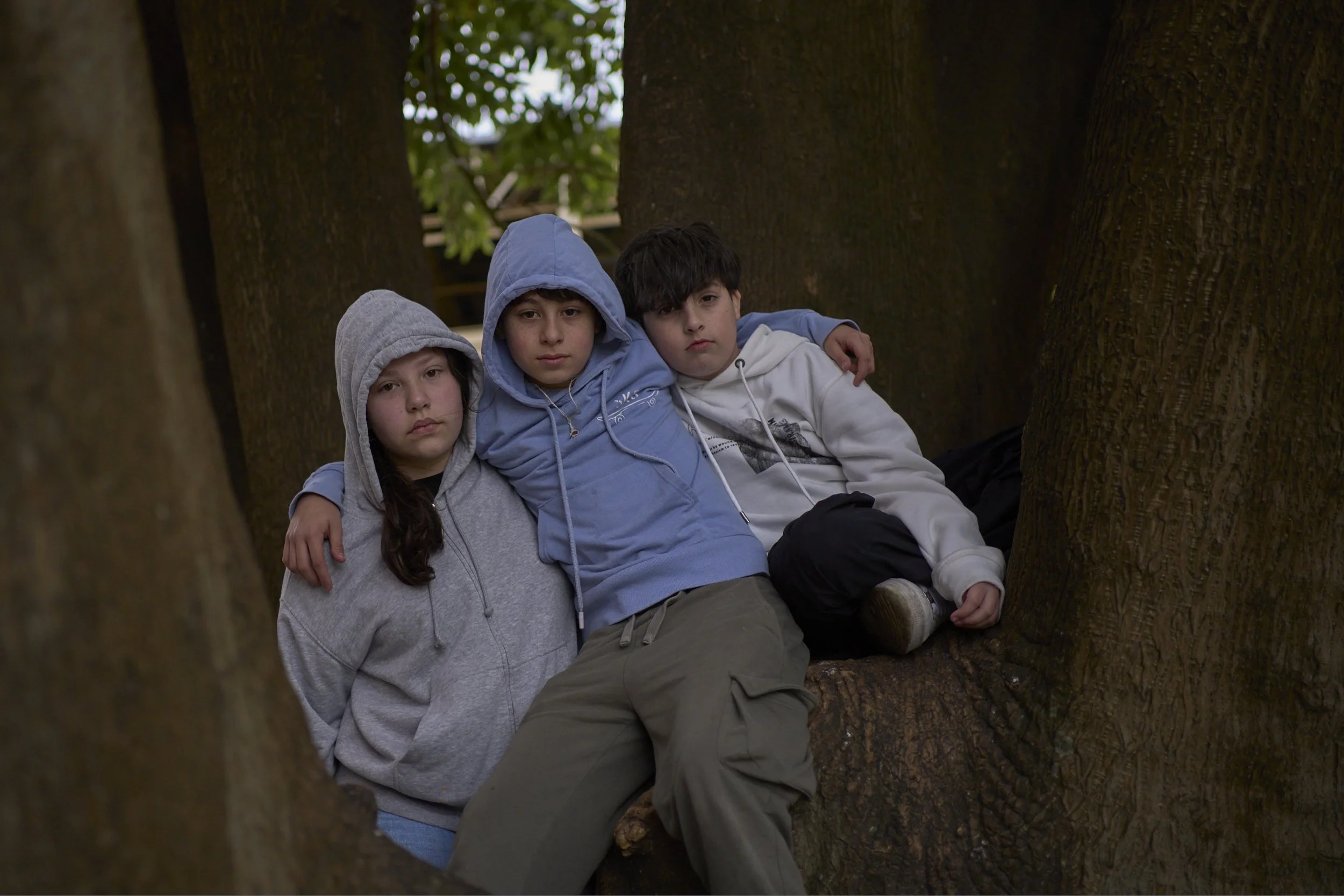
Guarida- hidden communal spaces where kids imagine and play. Drawing by a group of 9-11 year old kids.
Guarida- hidden communal spaces where kids imagine and play. Drawing by a group of 11-13 year old kids.
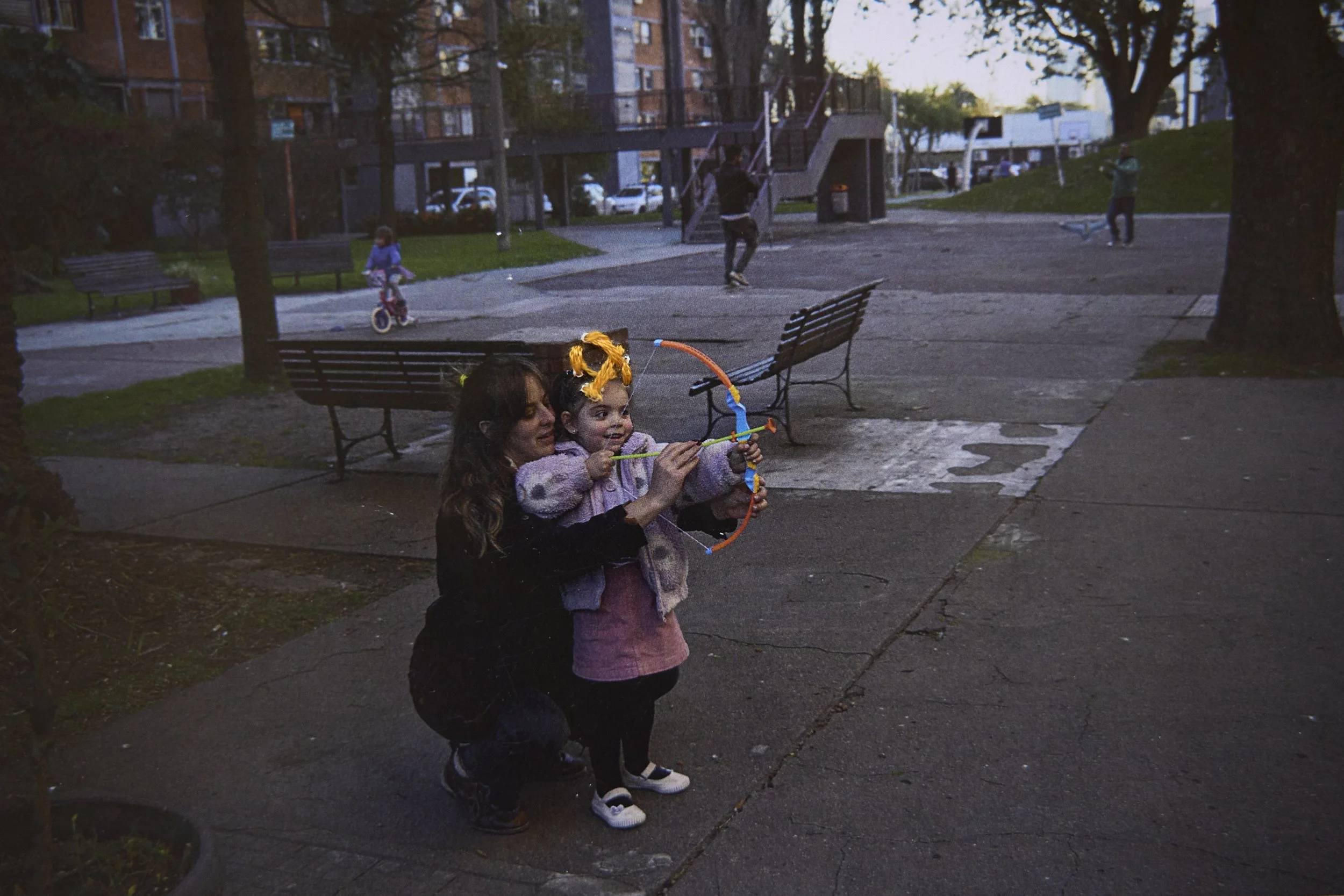
Martina learns how to use an arch with her mother, in the communal garden. Embroidery by Bruno.
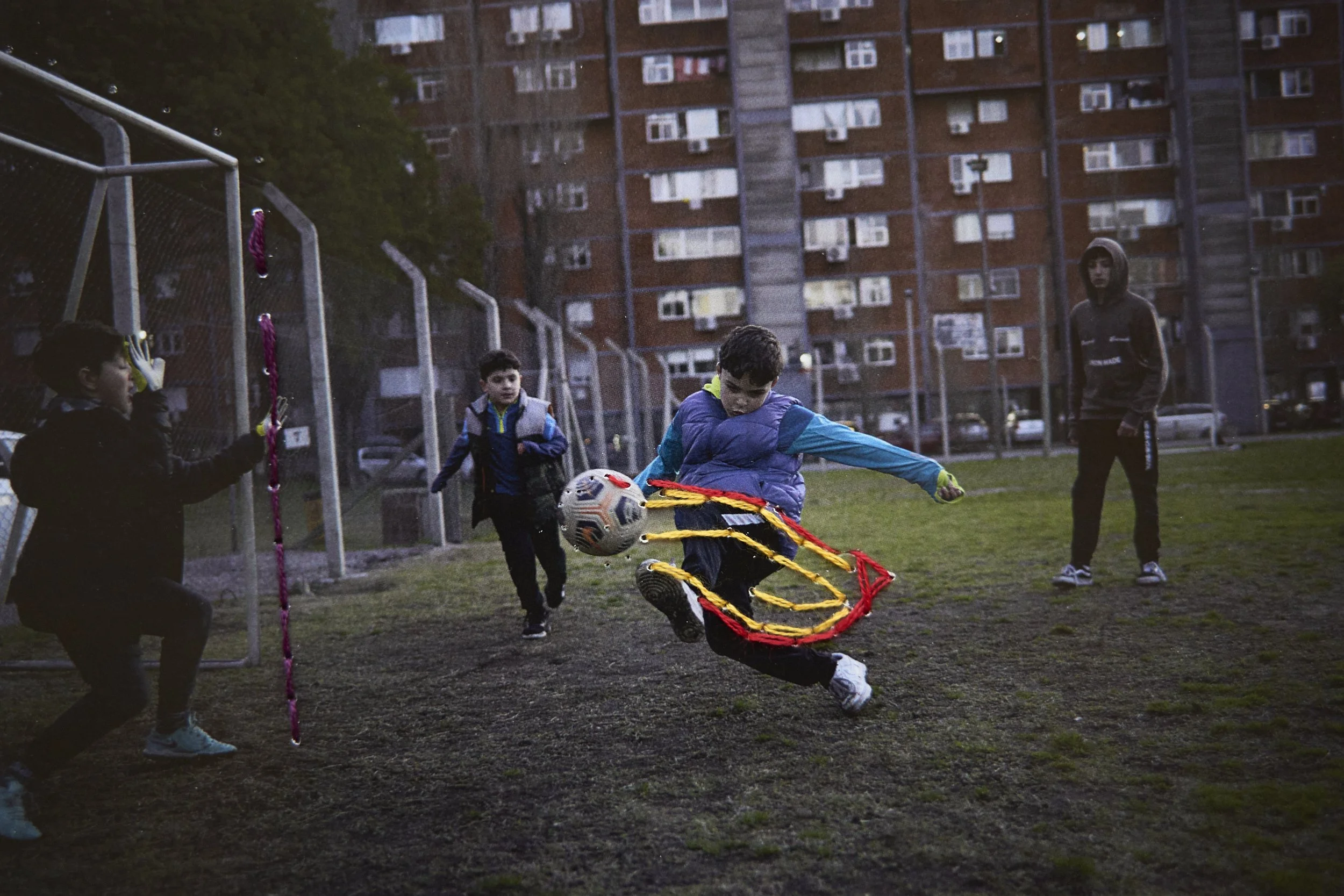
Kids play football in the common football court. Embroidery by Vicente and Alfonsina.
Mia plays in the Ombu tree. Embroidery by Lucia.
A view of one of the building from a window. Embroidery by Alfonsina and Emma.